

Remote Patient Monitoring Devices for Home Care
Remote Patient Monitoring Devices
Remote Patient Monitoring Devices are transforming home healthcare by allowing patients and healthcare providers to monitor vital health information without frequent in-person visits. In 2026, Remote Patient Monitoring Devices are helping individuals with chronic conditions, seniors, and post-surgical patients receive continuous care while remaining in the comfort of their homes. These smart medical technologies improve patient outcomes, support early intervention, and reduce unnecessary hospital admissions.
As healthcare increasingly embraces digital solutions, Remote Patient Monitoring Devices are becoming an essential part of modern home care and chronic disease management.
RPM technology is transforming how patients and providers stay connected, making it easier to catch warning signs early, adjust treatment plans quickly, and keep chronic conditions under control. Whether you’re living with diabetes, heart disease, or hypertension, RPM devices put powerful health data right in your hands and your doctor’s, Remote Patient Monitoring Devices.
In this post, you’ll find everything you need to know: how RPM devices work, which types are most widely used, the real benefits they deliver, and how to choose the right device for your needs.
What Are Remote Patient Monitoring Devices?
Remote patient monitoring devices are connected health tools that track your vital signs and health metrics from home. They transmit data to your care team in real time or at scheduled intervals, giving providers a detailed picture of your health between appointments, Remote Patient Monitoring Devices.
RPM technology relies on three key components: the device itself, a secure data transmission system (usually via Bluetooth or cellular connection), and a digital platform that your healthcare provider monitors. When a reading falls outside a safe range, your provider can respond quickly, often before you even notice a problem!
What types of RPM devices are available?
There are three broad categories of RPM devices:
- Wearables: Smartwatches, fitness trackers, and continuous glucose monitors (CGMs) sit on your body and collect data throughout the day.
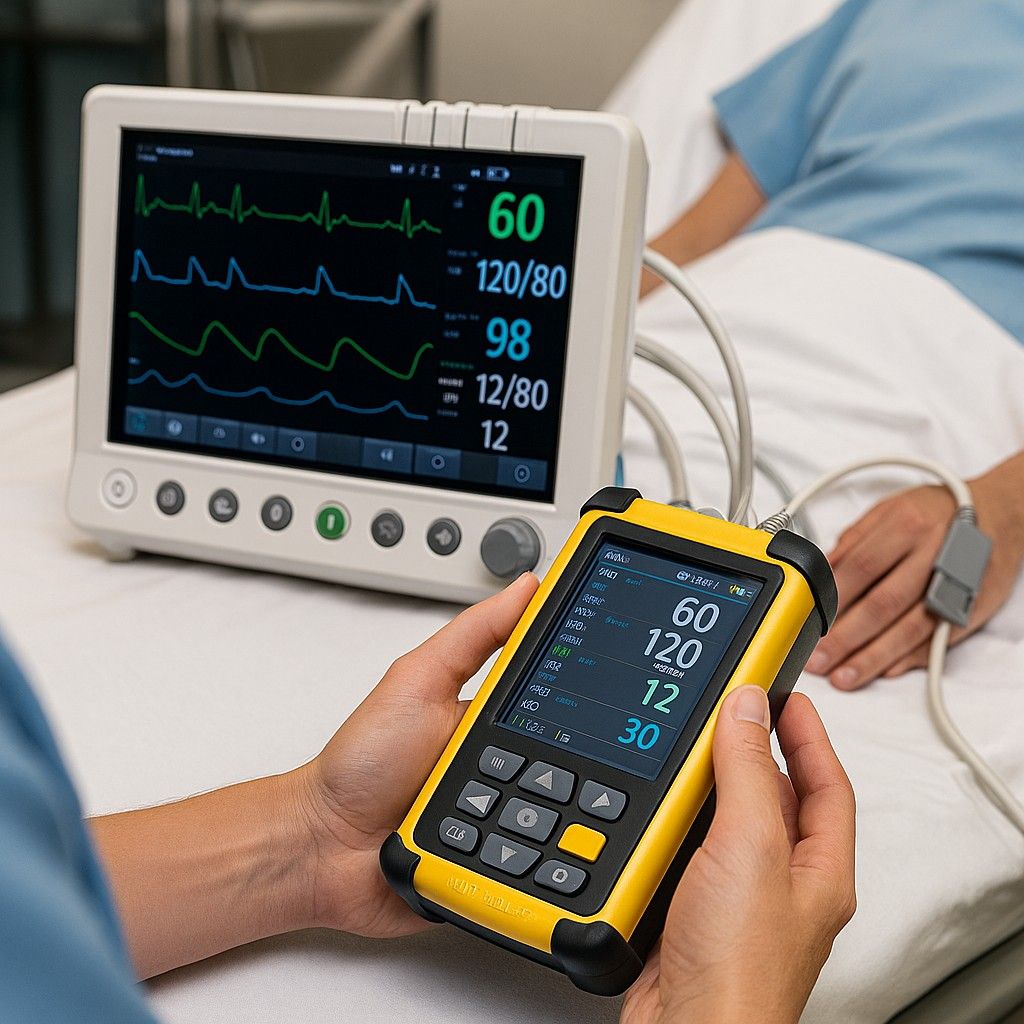
- Vital sign monitors: Blood pressure cuffs, pulse oximeters, and thermometers take targeted readings and sync to your provider’s platform.
- Specialized devices: Cardiac monitors, connected weight scales, and sleep tracking devices serve more specific clinical needs.
Most of these devices pair with mobile apps or digital health platforms, making it easy to view your own data alongside your care team, Remote Patient Monitoring Devices.
Key Benefits of RPM for Home Care
The appeal of RPM is straightforward: better care, right where you are! But the benefits go deeper than simple convenience.
How does RPM improve patient outcomes?
Continuous monitoring means problems get caught early. For patients managing conditions like congestive heart failure or COPD, small changes in weight or oxygen levels can signal serious complications. RPM gives providers the data they need to intervene fast, reducing hospital readmissions and emergency room visits significantly.
Studies have shown that RPM programs can reduce hospital readmissions by up to 38% for high-risk patients, a meaningful improvement for both patient wellbeing and healthcare costs, Remote Patient Monitoring Devices.
Does RPM save money for patients and healthcare systems?
It does! By catching complications early and reducing unnecessary in-person visits, RPM lowers the overall cost of care. Patients save on travel, time, and emergency services. Healthcare systems benefit from more efficient use of clinical resources. For Medicare patients in the U.S., RPM services are covered under specific billing codes, making access more affordable than many expect.
How does RPM support patient engagement and independence?
Seeing your own health data, daily, in real time, encourages you to stay active in your care. Patients who use RPM devices report feeling more in control of their health and more connected to their care teams. That sense of ownership leads to better adherence to treatment plans and healthier daily habits!
Popular RPM Device Categories
Here’s a closer look at the most widely used RPM devices for home care:
Wearable devices
Smartwatches like the Apple Watch and Samsung Galaxy Watch now include FDA-cleared features for heart rate monitoring and ECG readings. Continuous glucose monitors like the Dexcom G7 track blood sugar levels throughout the day without fingersticks—a game-changer for diabetes management!
Vital sign monitors
Connected blood pressure cuffs (like those from Withings or Omron) sync automatically to health platforms. Pulse oximeters measure blood oxygen levels and are widely used for patients with respiratory conditions. Smart thermometers provide accurate readings and log trends over time, Remote Patient Monitoring Devices.
Specialized devices
Cardiac monitors like the AliveCor KardiaMobile provide clinical-grade ECG readings from home. Connected weight scales help providers track fluid retention in heart failure patients. Sleep tracking devices monitor breathing patterns and detect signs of sleep apnea.
Mobile apps and digital platforms
Platforms like Dexcom Clarity, Withings Health Mate, and Epic MyChart integrate device data into a single dashboard, making it easy for both patients and providers to see the full health picture in one place, Remote Patient Monitoring Devices.
How to Choose the Right RPM Device
With so many options available, finding the right fit takes a little thought. Here’s what to consider:
Match the device to your condition. A continuous glucose monitor is essential for people with insulin-dependent diabetes, while a cardiac monitor suits those managing arrhythmia. Start with your most pressing health need.
Prioritize ease of use. An RPM device only works if you use it consistently! Look for devices with clear displays, simple setup, and minimal daily effort required.
Check compatibility. Make sure your chosen device integrates with your provider’s existing health platform. Ask your care team which devices they already support before purchasing.
Review data privacy features. Your health data is sensitive. Choose devices that use encrypted transmission and comply with HIPAA standards. Reputable brands will clearly outline their data security practices.
Understand costs and coverage. Prices range from under $30 for a basic pulse oximeter to several hundred dollars for advanced wearables. Check with your insurance provider; many RPM devices and associated monitoring services are now covered under Medicare and private insurance plans.
The Future of Remote Patient Monitoring
RPM is growing fast, and the technology is getting smarter every year. AI-powered analytics are beginning to identify health patterns that even experienced clinicians might miss, predicting deterioration days before symptoms appear. That’s a genuinely exciting development for chronic disease management!
Integration with telehealth platforms is deepening too. Instead of simply alerting a provider to an abnormal reading, next-generation RPM systems will trigger automatic virtual consultations, closing the loop between data and care in real time.
Adoption is expanding across conditions including COPD, kidney disease, hypertension, and post-surgical recovery, meaning more patients than ever will have access to continuous, high-quality care from the comfort of home.
RPM Is Changing Home Care for the Better
Remote patient monitoring devices offer a practical, effective way to manage chronic conditions, stay connected to your care team, and take real ownership of your health, all from home. The data is clear: RPM reduces hospitalizations, improves outcomes, and empowers patients to live healthier, more independent lives!
If you’re managing a chronic condition or supporting a loved one who is, talk to your healthcare provider about RPM options that might work for you. The right device could make a meaningful difference in your daily care and your long-term health.
Patient-centred technology like RPM isn’t a replacement for great medical care. It’s what makes great medical care possible, every single day!