

How Home Safety Equipment Helps Prevent Everyday Mobility Risks
Home safety medical equipment
Home safety medical equipment can help reduce everyday mobility risks, improve confidence, and make common activities safer for people living at home..
Falls are one of the leading causes of injury worldwide, and they can chip away at a person’s confidence and independence in a matter of seconds. A single slip can lead to a fractured wrist, a broken hip, or a fear of moving freely around one’s own home.
The good news? Many of these accidents are preventable. With the right safety equipment in place, you can dramatically reduce the chance of a fall and help everyone in your household move around with greater confidence. This guide breaks down the most common mobility risks at home and the practical tools that help keep you safe.
Common Mobility Risks in the Home
Before you can prevent an accident, it helps to know where the danger lies. Most household mobility risks fall into a handful of familiar categories.
Slips and falls on wet or uneven surfaces
Wet bathroom tiles, freshly mopped kitchen floors, and uneven thresholds are some of the most common culprits behind household falls. Water and smooth surfaces create a slippery combination that gives your feet little to grip.
Loss of balance on stairs and in bathrooms
Stairs demand coordination, strength, and balance all at once. Bathrooms present a similar challenge, with slick surfaces and tight spaces that make it easy to lose your footing while stepping in or out of a shower or tub.
Weak grip strength or muscle fatigue
Limited mobility isn’t always about a dramatic slip. Weak grip strength, tired muscles, and reduced stamina can make everyday movements, like standing up from a chair or holding a railing, much harder than they used to be.
Poor lighting and cluttered pathways
It’s tough to avoid a hazard you can’t see. Dim hallways, shadowy staircases, and pathways crowded with shoes, cords, or furniture increase the odds of a stumble, especially during the night, home safety medical equipment.
Inadequate support when changing positions
Moving from sitting to standing, getting in and out of bed, or lowering onto a toilet seat can throw off your balance. Without something sturdy to hold onto, these transitions become risky moments.
Essential Home Safety Equipment
Once you know the risks, the solutions become clear. The right equipment turns hazardous spots into safe, manageable ones. Here are the tools worth considering.
Grab bars and handrails
Grab bars and handrails give you a stable point to hold onto exactly where you need it most. Install grab bars beside toilets and inside showers, and make sure stairways have secure handrails on both sides where possible. Choose models rated to support a person’s full weight, and have them anchored into wall studs for maximum strength, home safety medical equipment.
Non-slip mats and flooring solutions
Non-slip mats add traction in the spots most likely to get wet. Place them inside and outside the shower, in front of the sink, and near the kitchen basin. For a longer-term fix, textured flooring and anti-slip coatings can reduce the risk across an entire room.
Walking aids
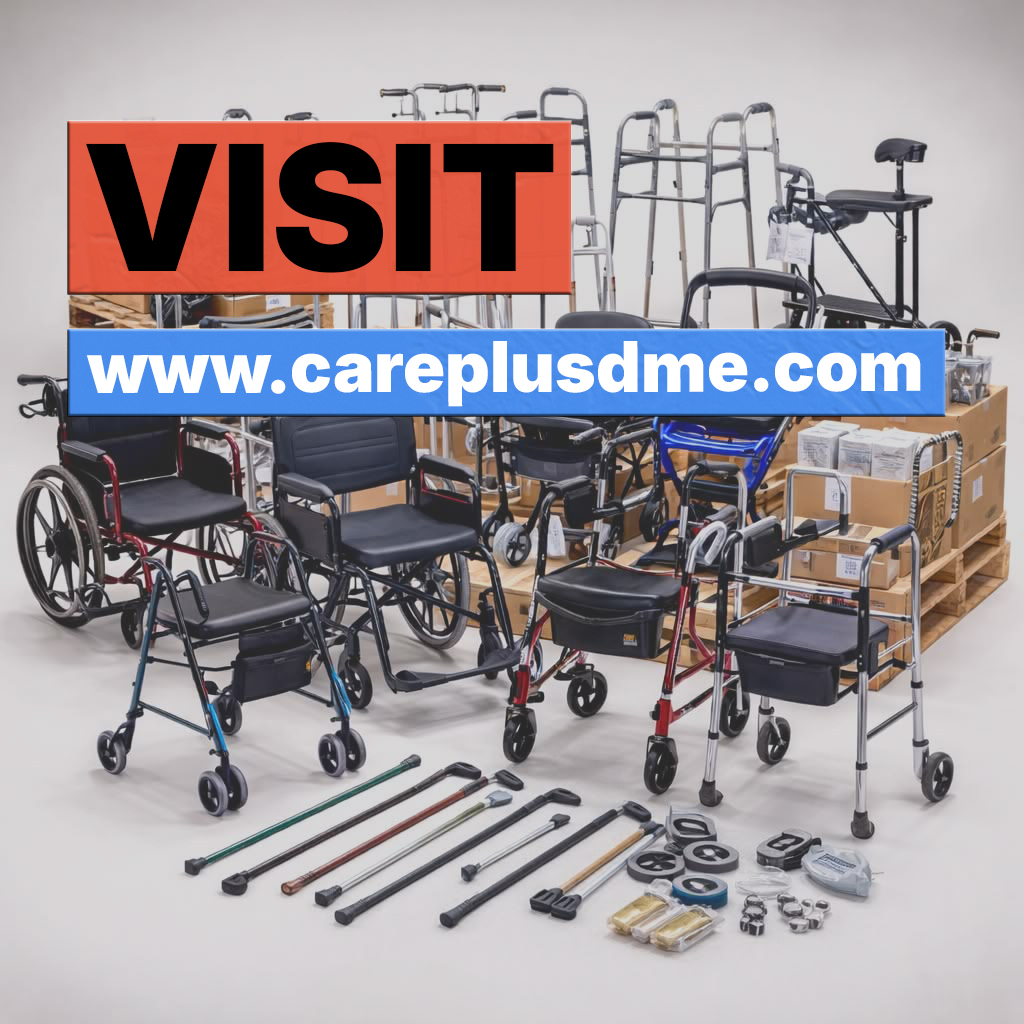
Canes, walkers, and rollators offer extra stability for anyone dealing with balance issues or reduced strength. A cane suits those who need light support, while a walker or rollator provides a wider, sturdier base. Rollators with built-in seats also let users rest whenever fatigue sets in, home safety medical equipment.
Mobility assistance devices
Shower chairs, raised toilet seats, and transfer benches make daily routines safer and less tiring. A shower chair lets you bathe seated instead of standing on slick tiles, and a raised toilet seat reduces the strain of lowering and rising. These devices are especially helpful for people recovering from surgery or living with chronic conditions, home safety medical equipment.
Proper lighting and clear pathways
Good lighting is one of the simplest and most affordable safety upgrades. Add bright bulbs to hallways and staircases, and use motion-sensor nightlights for late-night trips to the bathroom. Pair better lighting with clutter-free floors, tuck away cords, remove loose rugs, and keep walkways clear, home safety medical equipment.
Small Changes, Big Impact
Making a home safer doesn’t require a full renovation. Often, it’s a handful of targeted upgrades- a grab bar here, a non-slip mat there, a brighter bulb in the hall- that make the biggest difference.
Start by walking through each room and asking a simple question: where could someone slip, trip, or lose their balance? Prioritize the bathroom and staircases, since these are the most common sites of serious falls. From there, add walking aids or assistance devices based on the specific needs of the people in your home, home safety medical equipment.
If you’re helping an aging parent or recovering from an injury yourself, consider consulting an occupational therapist. These professionals can assess your space and recommend equipment tailored to your situation. A little planning today protects the independence, confidence, and well-being of everyone under your roof, home safety medical equipment.
Safety equipment isn’t about admitting weakness; it’s about staying strong, independent, and free to move through your own home without fear. Take the first step today, and give yourself and your loved ones the peace of mind you all deserve, home safety medical equipment.