

Bathroom Safety Equipment for Seniors: 9 Essential Products for Safer Homes
Bathroom Safety Equipment for Seniors
The bathroom can be one of the most challenging areas of the home for older adults. Wet floors, slippery surfaces, high bathtub walls, and low toilet seats can make everyday activities more difficult and increase the risk of slips and falls.
Choosing the right bathroom safety equipment for seniors can make a bathroom easier to navigate and provide additional support during bathing, showering, and using the toilet.
Bathroom safety products are available in different styles and designs, so the right equipment depends on the individual’s mobility, bathroom layout, and specific needs. Before installing or using any safety equipment, it is important to follow the manufacturer’s instructions and consider professional advice when appropriate.
Why Is Bathroom Safety Important for Seniors?
Falls can happen when people lose their balance while getting into or out of a bathtub, standing up from a toilet, or walking across a wet bathroom floor.
According to the CDC, falls are a leading cause of injury among adults aged 65 and older. Making changes to improve safety at home can be an important part of reducing potential fall hazards.
The CDC recommends several approaches to help prevent falls, including making the home safer by removing hazards and improving lighting. CDC – About Older Adult Fall Prevention
Adding appropriate bathroom equipment can provide extra stability and support during everyday activities.
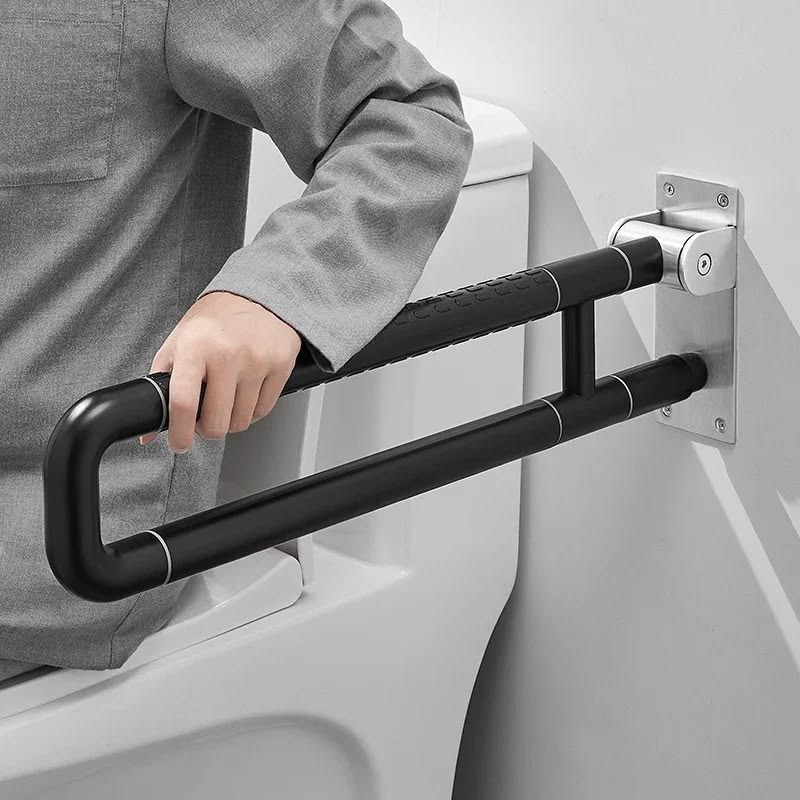
1. Grab Bars
Grab bars are among the most commonly recognized pieces of bathroom safety equipment for seniors.
They can provide a stable handhold near areas where additional support may be useful, such as beside a toilet or near a shower or bathtub.
Grab bars should be properly installed into an appropriate structural surface. A grab bar that is poorly installed may not provide the expected level of support.
Avoid relying on towel racks or other bathroom fixtures as substitutes for properly installed grab bars.
The location and height of grab bars should be selected according to the bathroom layout and the individual’s needs.
2. Shower Chairs and Shower Benches
Standing for extended periods in the shower can be difficult for some seniors or individuals with limited mobility.
A shower chair or shower bench allows the user to sit while bathing, which may make showering more comfortable and reduce the need to remain standing on a wet surface.
Depending on the design, shower chairs may include features such as:
- Adjustable legs
- Non-slip rubber feet
- Back support
- Armrests
- Drainage holes
- Lightweight construction
A shower bench can be especially useful when additional seating space is needed.
Users should make sure the chair or bench is placed securely and is suitable for the person’s weight and mobility requirements.
3. Tub Transfer Benches
For seniors who have difficulty stepping over the side of a bathtub, a tub transfer bench can provide an alternative way to enter and exit the tub.
A typical transfer bench extends across the bathtub wall, allowing the user to sit down before moving their legs into the tub.
This can reduce the need to step over a high bathtub edge while standing.
Because bathtub designs vary, it is important to check the dimensions and compatibility of a transfer bench before purchasing one.
4. Raised Toilet Seats
Getting down onto and standing up from a low toilet can be challenging for people with limited mobility or reduced lower-body strength.
A raised toilet seat increases the height of the seating surface, potentially making transfers easier.
Some models attach directly to the existing toilet, while others include additional features such as arm supports.
When selecting a raised toilet seat, check the toilet type, dimensions, weight capacity, and installation requirements.
5. Toilet Safety Frames and Rails
Toilet safety frames can provide additional support when sitting down or standing up from the toilet.
These frames typically sit around the toilet and provide handles that the user can hold during transfers.
For someone who has difficulty maintaining balance, having a stable support point may make bathroom routines easier.
However, the equipment should be installed correctly and used according to the manufacturer’s instructions.
6. Non-Slip Bath Mats
Water on bathroom floors can create slippery conditions.
A properly designed non-slip bath mat can help provide additional traction in areas where water commonly collects.
Choose a mat designed for bathroom use and make sure it remains securely positioned on the floor.
It is also important to keep the bathroom floor as dry as possible and address spills or standing water promptly.
Non-slip mats should complement, not replace, other bathroom safety measures.
7. Handheld Showerheads
A handheld showerhead can make bathing more convenient for someone who uses a shower chair or bench.
Instead of reaching or moving around to position the body under a fixed showerhead, the user can direct the water while remaining seated.
This can be particularly useful when combined with other bathroom safety equipment for seniors, such as shower benches or chairs.
The showerhead should be positioned where it can be reached comfortably without requiring excessive stretching or leaning.
8. Bathroom Transfer and Support Equipment
Some seniors may require more specialized equipment for moving between a wheelchair, shower, toilet, or other surfaces.
Transfer equipment can include specialized benches, support rails, and other mobility aids designed to make transfers easier.
The appropriate equipment depends heavily on the person’s mobility and bathroom configuration.
If someone has significant difficulty with transfers, speaking with an occupational therapist, physical therapist, or healthcare professional can help identify appropriate solutions.
The National Institute on Aging provides additional information about preventing falls and improving home safety for older adults. National Institute on Aging – Fall-Proofing Your Home
9. Bathroom Lighting
Bathroom safety is not only about physical equipment.
Good lighting can also make a bathroom easier to navigate, particularly for seniors who have difficulty seeing obstacles or changes in floor surfaces.
Consider adequate lighting around:
- Bathroom entrances
- Shower and bathtub areas
- Toilets
- Sinks
- Hallways leading to the bathroom
Nightlights can also help improve visibility when someone needs to use the bathroom during the night.
How to Choose Bathroom Safety Equipment for Seniors
Choosing equipment should begin with the individual’s specific needs rather than simply purchasing the most products possible.
Consider these factors before buying:
Mobility
Does the person walk independently, use a cane or walker, or use a wheelchair?
Bathroom Layout
Measure the available space around the toilet, shower, and bathtub before selecting equipment.
Weight Capacity
Always check the manufacturer’s stated weight capacity for chairs, benches, toilet equipment, and other support products.
Installation
Some equipment requires secure installation. Follow the manufacturer’s instructions carefully and seek professional assistance when needed, bathroom safety equipment for seniors.
Ease of Use
Equipment should be simple enough for the user to operate safely and comfortably.
Creating a Safer Senior-Friendly Bathroom
Using bathroom safety equipment for seniors is only one part of creating a safer bathroom environment.
Other useful safety improvements may include keeping floors dry, removing clutter, improving lighting, securing loose rugs, keeping frequently used items within easy reach, and maintaining clear pathways.
It is also important to regularly inspect safety equipment for loose parts, damage, worn rubber tips, or other signs of deterioration.
A bathroom assessment by an occupational therapist or another qualified professional may be helpful for individuals with significant mobility or balance concerns, bathroom safety equipment for seniors.
Final Thoughts
A safer bathroom can help seniors feel more comfortable and confident while completing everyday personal-care activities.
Products such as grab bars, shower chairs, shower benches, tub transfer benches, raised toilet seats, toilet safety frames, non-slip mats, and handheld showerheads can provide useful support when selected and used correctly, bathroom safety equipment for seniors.
The best bathroom safety equipment for seniors depends on the individual’s mobility, bathroom design, and specific needs. Taking time to assess these factors before purchasing equipment can help families create a more practical and supportive bathroom environment, bathroom safety equipment for seniors.
If you are looking for mobility and bathroom safety products for seniors, explore the available options at Care Plus DME and choose equipment based on the user’s needs, bathroom setup, and manufacturer guidelines.