

Understanding DME Coverage Requirements in 2026
DME coverage requirements
DME coverage requirements are an important part of obtaining durable medical equipment through Medicare, Medicaid, or private insurance. Whether you need a wheelchair, walker, hospital bed, CPAP machine, oxygen equipment, or another medical device, understanding DME coverage requirements can help you avoid delays, claim denials, and unexpected out-of-pocket costs.
In 2026, most insurance providers continue to require medical necessity, a valid healthcare provider’s order, and the use of approved suppliers before covering durable medical equipment. Understanding these DME coverage requirements helps patients receive the equipment they need while simplifying the insurance approval process. Medicare Part B generally covers medically necessary DME used in the home when prescribed by an enrolled provider and supplied through an approved supplier.
What Is Durable Medical Equipment (DME)?
DME refers to medically necessary equipment that serves a therapeutic purpose, is designed for repeated use, and is appropriate for use in the home. Think wheelchairs, CPAP machines, hospital beds, walkers, and oxygen concentrators, equipment that makes daily life more manageable for people with chronic conditions or disabilities, DME coverage requirements.
Coverage for DME is a crucial piece of the healthcare puzzle. Without it, many patients simply couldn’t afford the equipment they rely on every single day. That’s why staying on top of coverage requirements matters so much, both for patients and the providers supporting them, DME coverage requirements.
Key Changes in 2026 DME Coverage Requirements
2026 brings a fresh set of updates to DME coverage regulations, and it’s important to get ahead of them!
Regulators have sharpened the focus on medical necessity documentation, requiring more detailed and specific records to justify coverage. Vague or generalized clinical notes are increasingly being flagged for denial, so thorough documentation is more important than ever, DME coverage requirements.
There’s also been a tightening of coverage criteria for certain categories of equipment. Some items that previously qualified with minimal justification now require additional supporting evidence, such as prior authorization or specialist referrals. On the flip side, a handful of newer assistive technologies have been added to covered categories, which is great news for patients with emerging needs, DME coverage requirements.
Finally, supplier credentialing requirements have been updated. Suppliers must meet stricter accreditation standards to bill Medicare and Medicaid for DME, so it’s worth confirming that your supplier is fully accredited before moving forward, DME coverage requirements.
Eligibility Criteria for DME Coverage in 2026
So, who qualifies for DME coverage? Three main factors come into play:
1. Medical Necessity
A physician must provide both a prescription and a detailed statement of medical necessity. This isn’t just a formality; it’s the backbone of any successful DME claim. The statement must clearly connect the patient’s diagnosis to the specific equipment requested.
2. Patient’s Health Condition and Diagnosis
Coverage is tied directly to a diagnosed health condition. The diagnosis must be documented in the patient’s medical records and must align with the equipment being requested. A mismatch here is one of the most common reasons claims get denied.
3. Home Use Requirement
DME must be primarily intended for use in the patient’s home. Equipment used exclusively in clinical settings typically does not qualify under standard DME coverage guidelines, DME coverage requirements.
Types of DME Covered Under 2026 Regulations
Here’s a look at the categories of DME that are commonly covered:
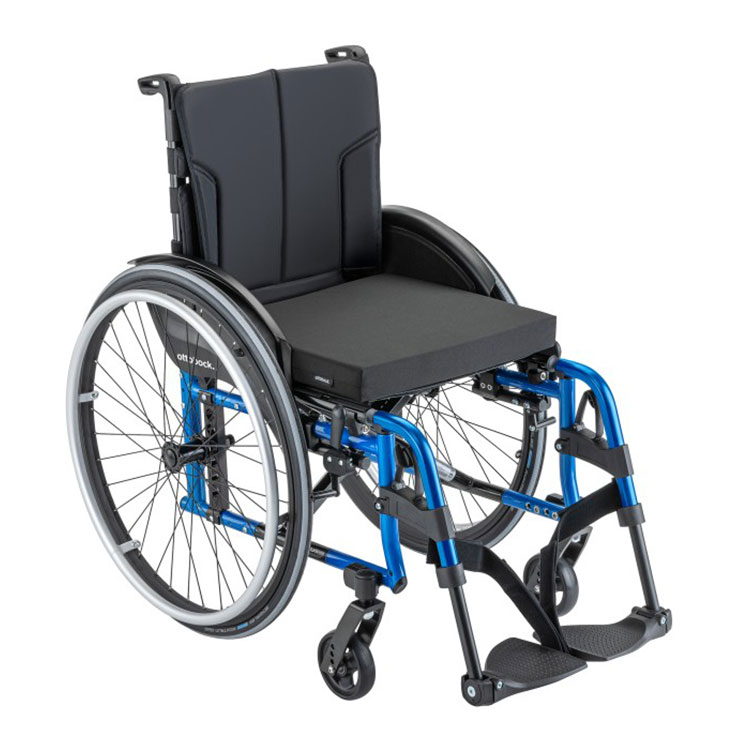
- Mobility Aids: Wheelchairs (both manual and powered), walkers, crutches, and canes are well-established covered items, provided medical necessity is documented.
- Respiratory Equipment: CPAP and BiPAP machines, nebulizers, and oxygen concentrators are frequently covered for patients with diagnosed respiratory conditions.
- Hospital Beds and Support Surfaces: Adjustable hospital beds and specialized mattresses for patients at risk of pressure ulcers are covered when specific clinical criteria are met.
- Other Commonly Covered DME: Blood glucose monitors for diabetic patients, infusion pumps, traction equipment, and certain orthotic devices round out the list of frequently approved items.
Always check with your specific insurer or Medicare/Medicaid plan for the most up-to-date coverage lists, as inclusions can vary!
Documentation Requirements for 2026
Here’s where things get really important: documentation can make or break a DME claim. In 2026, the key requirements include:
Detailed Written Orders (DWO)
A DWO must include the patient’s name, the item being ordered, the treating physician’s information, and a clear description of medical necessity. Generic or incomplete orders are a top cause of claim denials, DME coverage requirements.
Proof of Medical Necessity
This means clinical notes, diagnostic test results, treatment history, and any specialist reports that support the need for the equipment. The more thorough, the better!
Supplier Documentation
Suppliers are required to maintain their own records confirming that the equipment delivered matches what was ordered and that they hold the appropriate accreditation. Patients should always ask for copies of relevant supplier documentation for their personal records.
The Appeals Process for Denied DME Claims
A denied claim isn’t the end of the road, not even close! Here’s how to fight back:
- Review the denial notice carefully. The notice will specify the reason for denial, which is your starting point for building an appeal.
- Gather additional supporting documentation. Address the specific reason for denial with targeted evidence, clinical notes, letters from physicians, or additional test results.
- Submit your appeal by the deadline. Most insurers and Medicare have strict timelines for appeals, so act quickly!
- Request a peer-to-peer review if possible. Physicians can sometimes speak directly with the insurer’s medical reviewer, which can make a significant difference.
- Escalate if necessary. If an initial appeal is denied, further levels of appeal, including external review, are typically available.
The key to a successful appeal? Documentation, documentation, documentation!
Tips for Patients and Providers
For Patients:
- Understand your policy. Read your plan’s DME coverage details carefully. If anything is unclear, call your insurer directly; they’re there to help!
- Work closely with your physician. A well-documented physician’s order goes a long way toward a smooth approval process.
- Keep thorough records. Hold onto every piece of paperwork related to your DME, orders, invoices, delivery confirmations, and correspondence with your insurer.
For Providers:
- Stay updated on regulations. DME coverage rules evolve regularly, and staying informed protects both your patients and your practice.
- Ensure accurate documentation from day one. A thorough, specific written order is far easier than managing an appeal later.
- Educate your patients. Help patients understand what to expect, what records to keep, and how to navigate any challenges that come up.
Your 2026 DME Coverage Game Plan
DME coverage doesn’t have to be overwhelming, and now that you know what to look for, you’re already ahead of the game! The 2026 updates place greater emphasis on thorough documentation and meeting precise eligibility criteria, but with the right preparation, both patients and providers can navigate these requirements with confidence.
The most important takeaways? Know your eligibility, document everything meticulously, work with accredited suppliers, and never be afraid to appeal a denial. Access to the right medical equipment can genuinely transform a patient’s quality of life, and ensuring that access is protected is absolutely worth the effort.
Have questions about your specific DME coverage situation? Reach out to your healthcare provider or insurer today; the sooner you start, the smoother the process will be! ( Click the link so you can buy products at a low price )