

Medical Equipment Rental vs Purchase: Which Is Better?
Medical equipment rental
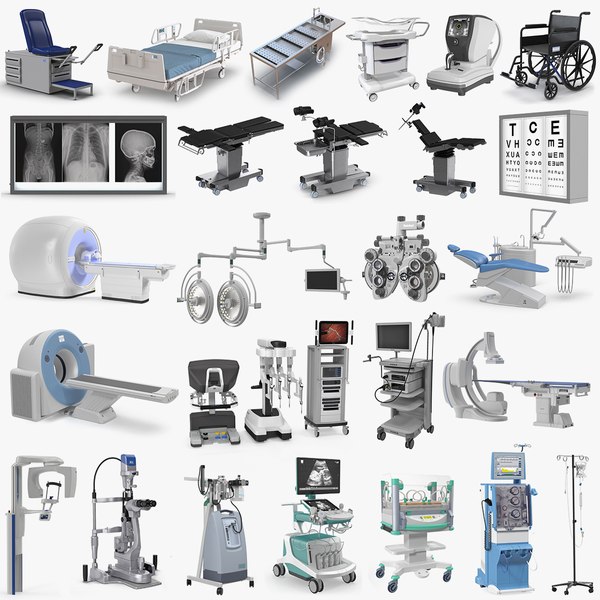
Medical equipment rental is becoming an increasingly popular option for patients, caregivers, and healthcare providers who need access to durable medical equipment without the high upfront costs of purchasing. Whether it’s a hospital bed, wheelchair, mobility scooter, oxygen concentrator, or patient lift, medical equipment rental offers flexibility and affordability for short-term and long-term care needs, medical equipment rental.
Before deciding whether to rent or buy, it’s important to understand the advantages, limitations, and financial implications of medical equipment rental in 2026.
The good news? There’s no one-size-fits-all answer, and that’s actually a relief. The right choice depends on your unique circumstances, from how long you’ll need the equipment to your budget and the type of device involved. In this guide, we’ll walk through the real pros and cons of renting versus buying, share a few practical scenarios, and help you feel confident about your decision.
Let’s dive in!
Why Medical Equipment Decisions Matter
Medical equipment plays a huge role in recovery, comfort, and quality of life. From mobility aids like walkers and wheelchairs to therapeutic devices like CPAP machines and oxygen tanks, the right equipment can make daily living so much easier.
But here’s the catch: this equipment can be expensive. A high-quality hospital bed or power wheelchair can cost thousands of dollars. That’s exactly why the rent-versus-buy question is so important. Make the right call, and you’ll save money, reduce stress, and get exactly what you need. Make the wrong one, and you could end up overpaying or stuck with a device that no longer serves you, medical equipment rental.
Understanding Medical Equipment Rental
Renting has become a popular option, and for good reason. Let’s break down the upsides and downsides.
The Benefits of Renting
- Cost-effectiveness: Renting requires far less money upfront. Instead of dropping thousands at once, you pay a manageable monthly or weekly fee. This is a lifesaver for short-term needs!
- Flexibility: Recovering from surgery and only need crutches for six weeks? Renting means you return the equipment when you’re done, no clutter, no hassle.
- Maintenance included: Most rental companies handle repairs and servicing. If something breaks, they fix it (or swap it out) at no extra charge. That’s real peace of mind.
- Try before you buy: Renting lets you test a device to see if it truly fits your needs before committing to a purchase.
The Downsides of Renting
- Long-term costs add up: Those monthly fees are friendly at first, but over months or years, you may end up paying more than the device is worth.
- Limited customization: Rental equipment is usually standard-issue. If you need specific adjustments or specialized features, your options can be limited.
- Availability isn’t guaranteed: The exact model you want may not always be in stock when you need it.
Understanding Medical Equipment Purchase
Buying is the traditional route, and it still makes great sense in plenty of situations. Here’s what to weigh.
The Benefits of Buying
- Ownership: The equipment is yours, plain and simple. Use it as long as you like, whenever you like, with no ongoing payments.
- Customization: When you own a device, you can tailor it to your exact needs, custom seating, special attachments, you name it.
- Potential resale value: Once you’re finished with the equipment, you may be able to sell it or donate it. Resources like Iowa Compass (iowacompass.org) even help people sell or donate used medical equipment and assistive technology.
- Long-term savings: For chronic or permanent conditions, buying almost always costs less over time than years of rental fees.
The Downsides of Buying
- High upfront cost: The biggest hurdle is the initial price tag, which can be steep.
- Maintenance is on you: Once the warranty ends, repairs and servicing become your responsibility (and your expense).
- Depreciation: Like a new car, medical equipment loses value the moment you buy it. Technology also evolves, so today’s top model may feel outdated in a few years, medical equipment rental.
Key Factors to Consider Before You Decide
Still unsure? Run through these five questions to find clarity.
1. How Long Will You Need It?
This is the big one. For short-term needs (a few weeks or months), renting usually wins. For long-term or permanent needs, buying tends to be the smarter financial move, medical equipment rental.
2. What’s Your Budget?
Be honest about your finances. If a large upfront payment isn’t realistic right now, renting spreads the cost out. If you can afford to buy and you’ll use the device for years, ownership often pays off. Don’t forget to check whether your insurance or Medicare covers either option!
3. What Type of Equipment Is It?
Some devices, like high-end power wheelchairs or hospital beds, are pricey enough that renting makes sense for temporary use. Simpler, lower-cost items (like a basic cane or shower chair) are often cheaper to just buy outright, medical equipment rental.
4. Who Handles Maintenance and Support?
If you’d rather not deal with repairs, renting keeps that responsibility off your plate. If you’re comfortable managing upkeep, or buying a device with a solid warranty, owning may suit you better.
5. What’s the Patient’s Condition and Prognosis?
A recovery with a clear end date points toward renting. A chronic or progressive condition usually points toward buying. Always loop in your healthcare provider here, since they can offer valuable guidance on what you’ll realistically need.
Real-Life Scenarios to Guide You
Sometimes examples make everything click. Here are three common situations.
Scenario 1: Short-Term Recovery
Imagine you’ve just had knee surgery and need a walker and wheelchair for about two months. Renting is the clear winner. You’ll avoid a big purchase for equipment you won’t need once you’re back on your feet, and maintenance is covered if anything goes wrong, medical equipment rental.
Scenario 2: Chronic Illness
Now picture someone managing a long-term condition like COPD, requiring daily oxygen support for years to come. Buying makes the most sense. Over time, ownership costs far less than continuous rental fees, and the equipment can be customized for daily comfort.
Scenario 3: Clinic or Hospital Setup
For a clinic or hospital outfitting multiple rooms, the decision gets nuanced. Frequently used core equipment is often worth buying, while specialized or occasionally needed devices may be better rented. Many facilities use a smart mix of both!
What the Experts Say
Healthcare professionals and financial advisors tend to agree on one thing: match the solution to the timeline. As a general rule, if you’ll need a device for less than six months, renting is usually the cost-effective choice. Beyond that, buying often comes out ahead, medical equipment rental.
Advisors also recommend always exploring your insurance coverage first. Medicare and many private plans cover certain durable medical equipment, which can dramatically change the math. And before you buy, it’s worth checking community resources, organizations such as Iowa Compass (iowacompass.org) connect people with funding, grants, and equipment-sharing programs that can ease the financial load, medical equipment rental.
Making the Right Choice for You
So, which is better, renting or buying medical equipment? It truly comes down to your situation.
Choose to rent if you have a short-term or temporary need, want lower upfront costs, prefer maintenance to be handled for you, or simply want to test a device before committing.
Choose to buy if you have a long-term or permanent need, want full customization, and want to save money over the long haul.
Whatever path you choose, take a moment to talk with your healthcare provider, review your insurance benefits, and weigh the factors we’ve covered. With a little planning, you’ll land on a decision that supports both your health and your wallet, and that’s a win worth celebrating!
Frequently Asked Questions
Does insurance cover rented or purchased medical equipment?
Often, yes! Medicare and many private insurance plans cover durable medical equipment, though coverage rules vary. Some plans favour renting for short-term needs and buying for long-term ones. Always check with your provider before deciding.
When is renting medical equipment better than buying?
Renting is usually better for short-term needs, generally less than six months, when you want lower upfront costs and maintenance handled for you, medical equipment rental.
Can I sell or donate medical equipment I no longer need?
Absolutely. Many communities have programs for reselling or donating used medical equipment and assistive technology. Resources like Iowa Compass (iowacompass.org) can help connect you with the right options.
What types of medical equipment are commonly rented?
Hospital beds, wheelchairs, oxygen concentrators, CPAP machines, and mobility scooters are among the most frequently rented items, especially for temporary recovery situations, medical equipment rental.