


Choosing the Right Mobility Aid for Long-Term Use
Mobility aid selection
Mobility aid selection plays a vital role in maintaining independence, safety, and quality of life for individuals with long-term mobility challenges. Whether you’re recovering from surgery, managing a chronic condition, or supporting healthy aging, the right mobility aid selection can improve comfort, confidence, and daily activities. In 2026, modern mobility devices will offer advanced features designed to meet a wide range of medical and lifestyle needs.
Making the right mobility aid selection involves more than simply choosing a walker or wheelchair. Factors such as mobility level, home environment, lifestyle, and medical recommendations should all be considered before making a decision, mobility aid selection.
What matters most is finding something that supports your independence, fits your life, and keeps you moving comfortably for the long haul. This guide walks you through everything you need to know, from assessing your needs to comparing aid types, understanding key features, and knowing when to call in the professionals, mobility aid selection.
Assessing Your Needs Before You Shop
Before you start browsing options, take a moment to reflect on your specific situation. Ask yourself:
- What condition or injury requires the aid, and is it permanent or temporary?
- Where will you use it most? Indoors, outdoors, or both?
- How much upper body strength do you have?
- Do you need full support, or just a little extra stability?
- What are your daily activities and personal goals?
Your answers will shape everything that follows. Someone who needs light support while walking around the house has very different needs from someone managing a progressive condition that affects balance and endurance. Knowing where you stand helps you make a confident, informed decision!
Types of Mobility Aids for Long-Term Use
Walkers
Walkers are a fantastic option for people who need moderate support and stability. There are three main types:
- Standard walkers offer maximum stability but require you to lift them with each step, great for controlled indoor environments.
- Rolling walkers (rollators) have wheels and glide smoothly, which is much easier on the arms and wrists. Many come with a built-in seat, which is a huge bonus!
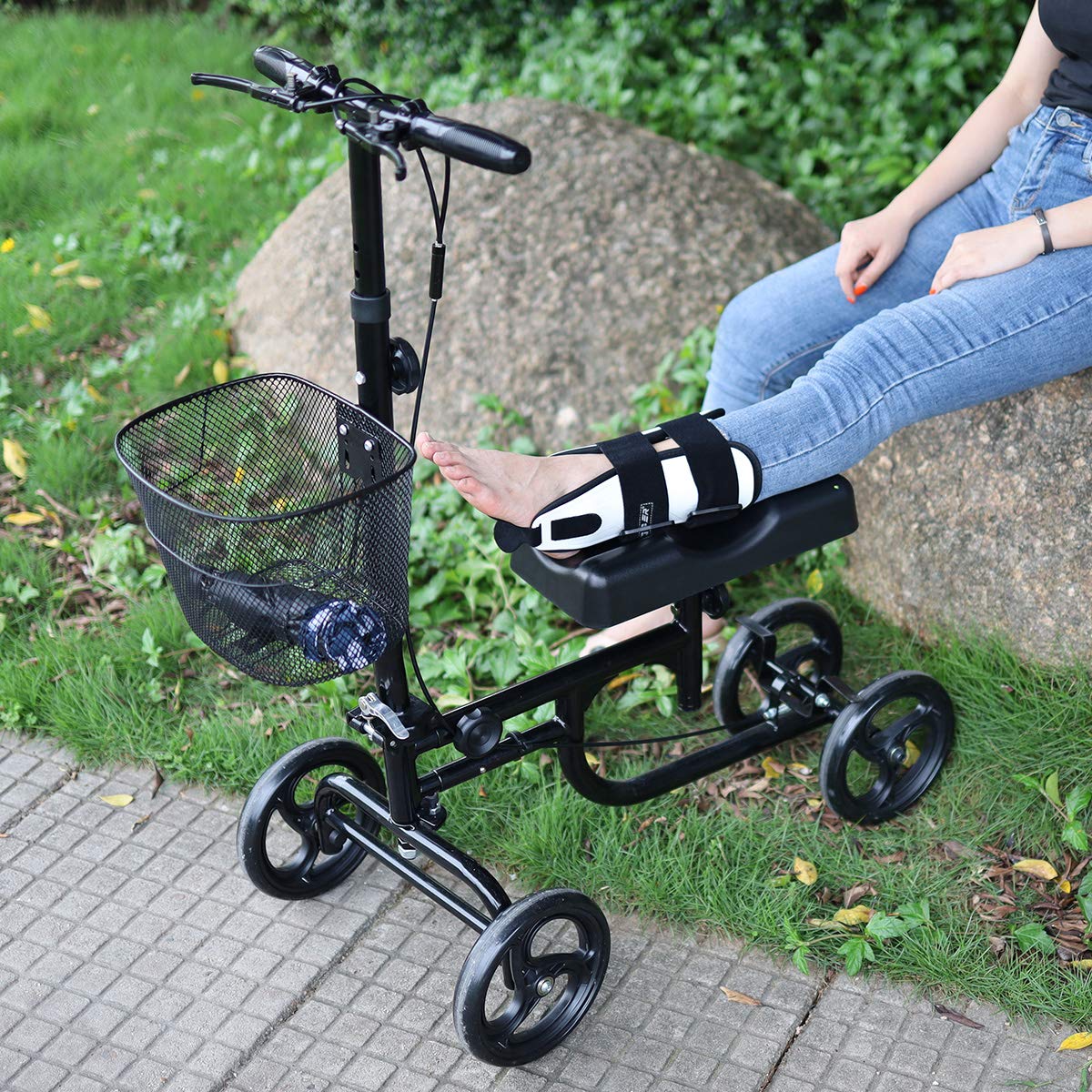
- Knee walkers are ideal for lower leg injuries, allowing you to rest a bent knee on a padded platform while scooting forward.
Walkers shine in situations where balance is a primary concern, but they can be bulky and tricky to navigate in tight spaces, mobility aid selection.
Canes
Canes are a lighter, more discreet option for people who need minimal support. Here’s a quick breakdown:
- Single-point canes are simple and lightweight, great for mild balance issues.
- Quad canes have a four-pronged base for extra stability, perfect for those who need a bit more support without committing to a walker.
- Forearm crutches shift weight to the forearms, making them ideal for long-term use when wrist strength is a concern.
If you’re active and just need a confidence boost on uneven terrain, a cane might be your best friend!
Manual Wheelchairs
Manual wheelchairs offer a world of freedom for those who can’t walk long distances or need to rest frequently. The big question here is: self-propulsion or attendant propulsion?
- Self-propelling wheelchairs have large rear wheels that you push yourself, great if you have adequate upper body strength.
- Attendant-propelled chairs have smaller rear wheels and rely on a caregiver to push, making them ideal if you need full assistance, mobility aid selection.
Look for a lightweight frame and a comfortable, supportive seat if you plan on using one long-term. Trust me, your back will thank you!
Power Wheelchairs and Scooters
When manual propulsion isn’t an option, due to limited upper body strength or significant fatigue, power wheelchairs and scooters step in as game changers, mobility aid selection.
- Power wheelchairs offer exceptional maneuverability and can be customized with specialized controls (joystick, chin control, and more).
- Mobility scooters are a popular choice for those who can still walk short distances but struggle with longer trips. They’re particularly great outdoors!
These aids require a wider turning radius, so your home environment matters here. Keep that in mind as you evaluate your options, mobility aid selection.
Key Features to Consider When Choosing
Now that you have a sense of the types, here’s what to look for when comparing specific models:
- Portability and weight: Will you be lifting it into a car or travelling with it frequently? A lightweight, foldable design is worth prioritizing.
- Adjustability and sizing: A poorly fitted aid can cause more harm than good. Look for adjustable height and armrests to ensure a proper fit.
- Comfort and ergonomics: Padded grips, contoured seats, and back support all matter enormously for long-term use.
- Durability and maintenance: A high-quality aid is an investment! Check warranties, material quality, and how easy it is to service.
- Cost and insurance coverage: Many aids are covered (fully or partially) by insurance. Check with your provider before purchasing to avoid any nasty surprises.
- Accessories and customization: Cup holders, storage pouches, and anti-tip features can make your day-to-day much easier. Don’t overlook the little extras!
Why You Should Always Consult a Professional
Here’s something I cannot stress enough: please talk to a professional before making your final decision! A doctor, physical therapist, or occupational therapist can evaluate your mobility, strength, posture, and daily routine to recommend the most suitable aid for your specific needs, mobility aid selection.
Occupational therapists, in particular, are brilliant at assessing your home environment and factoring that into their recommendations. They can also help you practice using your new aid correctly, which significantly reduces the risk of falls and strain.
Think of it this way: you wouldn’t buy prescription glasses without an eye test, right? A mobility aid is no different. Getting that expert input is absolutely worth it!
Adapting Your Home to Work With Your Mobility Aid
Choosing the right aid is only half the equation; your home environment needs to support it, too! A few modifications that can make a big difference include:
- Installing grab bars in the bathroom and near the stairs
- Removing loose rugs and other tripping hazards
- Widening doorways if you’re using a wheelchair or scooter
- Adding ramps where steps currently exist
- Improving lighting in dim hallways and stairwells
Even small changes can dramatically improve safety and confidence at home. An occupational therapist can conduct a home assessment to identify exactly what needs updating, mobility aid selection.
Long-Term Use and Maintenance Tips
Once you’ve found your perfect aid, a little TLC goes a long way! Here’s how to keep it in great shape:
- Inspect it regularly: Check for loose screws, worn-out grips, or damaged wheels every few weeks.
- Clean it often: Especially important for outdoor aids that collect dirt and debris.
- Use it correctly: Poor technique can lead to strain and injury over time. Revisit your therapist if something doesn’t feel right.
- Know when to replace it: If your needs change significantly or your aid shows visible wear, don’t delay getting a replacement. Using a compromised aid is a safety risk, mobility aid selection.
Empowering Your Independence, One Step at a Time
Choosing the right mobility aid is one of the most empowering decisions you can make for your long-term quality of life. The perfect choice is the one that fits your body, your home, and your goals, and getting there takes a little self-reflection, some expert guidance, and a willingness to explore your options, mobility aid selection.
You deserve an aid that supports the life you want to live. Take an active role in that decision, ask lots of questions, and don’t be afraid to try a few options before committing. With the right support in hand, there’s so much more freedom ahead!