

How Remote Monitoring Equipment Is Changing Home Care
Remote monitoring equipment
Remote monitoring equipment is transforming home healthcare in 2026 by allowing providers and caregivers to track patient health in real time. From wearable devices to smart monitoring systems, patients can now receive better care without frequent hospital visits.
As healthcare technology advances, remote monitoring equipment is becoming essential for improving patient safety, chronic disease management, and independent living at home.
Technology is the driving force making this preference a reality. In the past, recovering at home meant relying entirely on periodic visits from nurses or constant supervision from family members. Today, connected devices allow doctors to keep a watchful eye on their patients from miles away, with remote monitoring equipment.
Remote monitoring equipment is revolutionizing home care by enhancing safety, improving health outcomes, and empowering individuals to take control of their well-being. By bridging the gap between the clinical setting and the living room, these tools are rewriting the rules of healthcare delivery.
The Evolution of Home Care
Traditional home care models often struggled with significant limitations. Without a medical professional physically present, oversight remained limited. Healthcare providers typically relied on a reactive approach, waiting for a patient to report symptoms or experience a medical emergency before taking action. This system placed a heavy burden on family caregivers, who felt constant pressure to monitor their loved ones without the benefit of clinical training or remote monitoring equipment.
Technology began addressing these issues slowly. Early telecare systems offered basic panic buttons and landline-based emergency response services. While helpful, these systems still relied on the patient actively calling for help after an incident occurred.
Remote patient monitoring represents the next generation of home care solutions. Instead of waiting for a crisis, RPM systems actively gather real-time data. This shift from reactive emergency response to proactive health management changes everything for patients and providers alike.
Key Remote Monitoring Equipment and Its Functions
The ecosystem of home healthcare technology relies on several interconnected devices. Each piece of equipment serves a specific purpose in building a comprehensive picture of a patient’s health.
Wearable Devices
Smartwatches and fitness trackers have evolved from simple step counters into sophisticated medical tools. These wearables continuously monitor heart rate, physical activity levels, and sleep patterns. Many modern devices also feature built-in fall detection, automatically sending emergency alerts to family members or dispatchers if the user takes a hard spill and becomes unresponsive, and remote monitoring equipment.
Smart Home Sensors
Home care extends beyond the body to the patient’s living environment. Motion sensors and door or window sensors track daily routines without requiring the patient to wear a device. These sensors can detect irregularities, such as a patient failing to leave the bedroom in the morning or entering the kitchen late at night. For patients with dementia, these tools enhance security by preventing dangerous wandering.
Connected Medical Devices
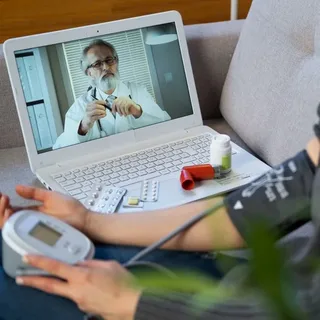
For patients managing chronic illnesses, clinical-grade equipment is essential. Connected blood pressure cuffs, glucose meters, and pulse oximeters allow patients to take their own vitals at home. The devices automatically sync this physiological data to a secure portal. Healthcare providers review this real-time information, facilitating early intervention if a patient’s vitals enter dangerous territory, and remote monitoring equipment.
Communication Tools
Technology also tackles the isolation often associated with homebound care. Video conferencing platforms and smart voice assistants facilitate virtual consultations with doctors and social connections with family. Voice-activated devices also serve as reliable medication reminders and allow for easy daily check-ins, ensuring patients follow their prescribed treatment plans.
Benefits of Remote Monitoring Equipment for Patients
For those receiving care, RPM technology offers immediate, tangible improvements to daily life.
Enhanced Safety and Security
Automatic fall detection and rapid emergency response systems provide a safety net for vulnerable individuals. This technology delivers profound peace of mind for both patients and their families, knowing that help will arrive quickly if an emergency occurs.
Improved Health Outcomes and Proactive Care
Continuous data monitoring allows doctors to detect subtle changes in a patient’s health before they escalate into major problems. This proactive approach leads to better management of chronic diseases like diabetes and heart failure, ultimately resulting in reduced hospital readmissions and the use of remote monitoring equipment.
Increased Independence and Quality of Life
Many older adults fear losing their autonomy. Remote monitoring gives them the ability to age in place safely. By reducing the need for constant in-person supervision, patients maintain a sense of freedom and control over their daily lives.
Personalized Care Plans
Because RPM systems generate massive amounts of objective data, healthcare providers can move away from generic treatment protocols. Data-driven insights enable doctors to create highly tailored support plans that reflect the patient’s actual daily habits and physical responses, using remote monitoring equipment.
Benefits for Caregivers and Healthcare Providers
The advantages of remote monitoring extend directly to the professionals and family members managing the care process.
Reduced Caregiver Burden
Family caregivers frequently experience burnout. Remote oversight reduces this stress by eliminating the need to be physically present at all times. Alerts notify caregivers of immediate needs, meaning they only intervene when necessary rather than hovering constantly.
Enhanced Efficiency and Resource Allocation
For home health agencies, RPM is a logistical game-changer. Nurses can prioritize urgent cases based on real-time health data, optimizing their home visit schedules to focus on patients who need immediate clinical attention.
Data-Driven Decision Making
Subjective patient reports, like “I feel a little dizzy today”, are replaced by concrete, objective metrics. Doctors can review trend analysis over weeks or months to make accurate clinical assessments and adjust medications effectively, using remote monitoring equipment.
Scalability of Home Care Services
As the global population ages, healthcare systems face severe staffing shortages. Remote monitoring allows clinical teams to oversee a larger pool of patients simultaneously, reaching more people with fewer resources while maintaining high standards of care.
Challenges and Considerations
While the benefits are clear, the widespread adoption of remote monitoring equipment does present a few hurdles.
Privacy and Data Security Concerns
Transmitting sensitive medical data over the internet carries inherent risks. Healthcare organizations must ensure strict HIPAA compliance and utilize robust encryption to protect patient data from cyber threats.
The Digital Divide and Accessibility
Not everyone has access to high-speed internet or the latest smart devices. Ensuring equitable access across all socioeconomic demographics remains a major challenge. Furthermore, the technology must be incredibly user-friendly to accommodate older adults who may lack digital literacy.
Cost of Implementation and Reimbursement
Purchasing medical devices and paying for monitoring software requires upfront capital. While insurance coverage for RPM is expanding, reimbursement models remain complex. Patients and providers must navigate these financial frameworks to ensure affordability.
Ethical Implications
Constant tracking can blur the line between safety and surveillance. Healthcare providers must balance the clinical need for monitoring with the patient’s fundamental right to personal autonomy and privacy.
The Future of Home Care with Remote Monitoring
The technology powering home care will only become more sophisticated in the coming years.
Integration with AI and Machine Learning
Artificial intelligence will soon process all incoming patient data to establish highly accurate predictive analytics. Machine learning algorithms will flag the earliest signs of health deterioration, triggering automated, personalized interventions before a human doctor even reviews the chart.
Holistic Health Ecosystems
Future remote monitoring will feature seamless connections between various devices, electronic health records, and pharmacy systems. This holistic ecosystem will foster greater collaboration among doctors, specialists, patients, and family members.
Expansion Into New Areas of Care
While currently focused on physical health, remote monitoring is expanding into behavioural and mental health. Devices will track speech patterns, sleep disturbances, and activity levels to monitor conditions like depression and anxiety.
A New Era of Empowered Home Healthcare
Remote monitoring equipment is doing much more than digitizing vital signs. It is fundamentally transforming the home care experience by bringing clinical oversight directly into the living room.
Patients enjoy greater independence and better health outcomes, while caregivers and medical professionals benefit from actionable data and reduced burnout. As technology continues to evolve and overcome current accessibility challenges, remote patient monitoring will undoubtedly become the standard of care. By embracing these tools, the healthcare industry can ensure that aging and healing at home are safer, smarter, and more dignified than ever before.
What is remote monitoring equipment?
Remote monitoring equipment includes healthcare devices that track patient health data remotely and share it with caregivers or medical providers.
How does remote monitoring equipment improve home care?
Remote monitoring equipment helps providers detect health issues early, monitor chronic conditions, and reduce hospital visits
Who benefits most from remote monitoring equipment?
Seniors, chronic care patients, post-surgery patients, and individuals with mobility limitations benefit greatly from remote monitoring equipment.
Is remote monitoring equipment covered by insurance?
Some remote monitoring equipment may be covered by insurance or Medicare depending on the patient’s condition and provider recommendations.
What are the most common types of remote monitoring equipment?
Popular remote monitoring equipment includes blood pressure monitors, glucose monitors, pulse oximeters, heart rate trackers, and wearable health devices.
You must be logged in to post a comment.