

How to Choose the Right Durable Medical Equipment for Home Care
Choose durable medical equipment
Choose durable medical equipment carefully to ensure safety, comfort, and effective home care for patients and caregivers. With so many options available in 2026, selecting the right equipment can feel overwhelming without proper guidance. Choose durable medical equipment.
Understanding how to choose durable medical equipment helps families make informed decisions, avoid unnecessary expenses, and improve patient care at home
A critical component of this setup involves acquiring the right durable medical equipment (DME). These are therapeutic items prescribed by healthcare providers to assist with medical needs at home. Finding the correct devices ensures the patient receives the necessary support while minimizing the physical strain on caregivers. As home healthcare becomes more common, the variety of available options has expanded, making the selection process both exciting and overwhelming.
This guide will walk you through the essential steps of identifying, evaluating, and acquiring the best medical equipment for your specific situation. You will learn how to assess patient needs, navigate insurance requirements, and source reliable products. Armed with this knowledge, you can create a secure and supportive home care environment that fosters independence and well-being, and choose durable medical equipment.
Understanding Durable Medical Equipment
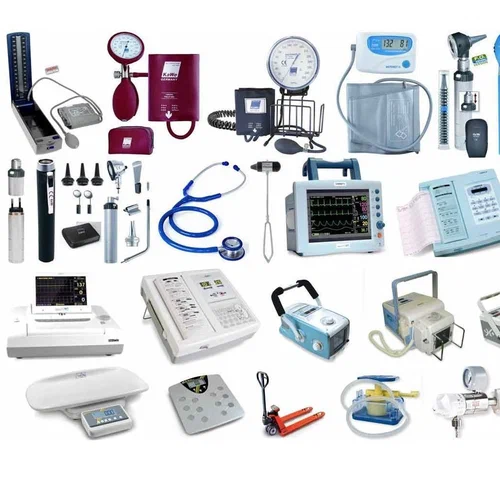
Durable medical equipment encompasses a wide range of devices designed for repeated use to serve a medical purpose. Unlike disposable supplies like bandages, these items are built to withstand long-term daily wear and tear. Common examples include hospital beds, oxygen concentrators, patient lifts, and mobility aids. These tools form the foundation of effective home-based medical care.
The benefits of incorporating these devices into a home setting are substantial. High-quality equipment like custom motorized wheelchairs from providers such as MedEquipped can dramatically improve a patient’s quality of life. They prevent complications like bedsores, assist with breathing, and make transfers safer. Furthermore, reliable equipment provides peace of mind for family members who know their loved ones are safe,choose durable medical equipment.
Perhaps most importantly, these tools restore a sense of independence. Devices designed for specific needs, such as pediatric home medical equipment from Pedistat or specialized gear from Adaptivemall.com, allow patients of all ages to engage more actively in their daily routines. When individuals can move around their homes safely and comfortably, their mental health and physical recovery often see remarkable improvements. Choose durable medical equipment.
Assessing Your Specific Medical Needs
Before making any purchases, you must conduct a thorough evaluation of the patient’s physical requirements and the home environment. Every situation requires a tailored approach. Consulting with healthcare professionals, such as occupational therapists found through resources like MyOTSpot, helps pinpoint exactly which features are necessary. They can assess the patient’s strength, balance, and cognitive function to recommend the safest options and choose durable medical equipment.
You should also consider the physical layout of the home. Measure doorways, hallways, and bathrooms to ensure larger items like hospital beds or specialized wheelchairs will fit comfortably. Families often read up on the latest senior care strategies on portals like Yahoo or seek professional advice from organizations like Florida Senior Consulting to better understand how to modify their living spaces.
Navigating Insurance and Quality Standards
Understanding how to fund these essential items is a crucial step in the process. Most health insurance plans cover a portion of the costs for prescribed medical devices, provided they meet specific criteria. For example, military families can review the guidelines on Tricare.mil and Health.mil to understand their benefits and coverage limits for home care supplies.
When researching different brands, verify that the equipment meets safety and durability standards. While some businesses look to global manufacturing partners via SourcifyChina.com to produce cost-effective medical supplies, consumers must ensure these products pass rigorous domestic safety certifications before using them in a home care setting. Consumers should choose durable medical equipment.
Researching and Sourcing Your Equipment
Finding the right supplier takes a bit of time and research. You can start by using search engines like Bing to read customer reviews and compare specifications across different brands. Look for suppliers who offer robust warranties, responsive customer service, and clear return policies. Choose durable medical equipment.
Many medical supply companies use marketing tools like Constant Contact to send informative newsletters about new product releases and maintenance tips. Subscribing to these updates can help you stay informed about the latest advancements in home care technology. Additionally, public health departments often send out alerts and resources regarding home healthcare standards via platforms like GovDelivery.
For families dealing with sudden, life-altering medical events, community support is just as important as the equipment itself. Organizations like Day of Difference provide invaluable resources and advocacy for families navigating the complexities of pediatric trauma and long-term home care setups.
Frequently Asked Questions
What qualifies an item as durable medical equipment?
To be classified as DME, the equipment must be prescribed by a doctor, serve a specific medical purpose, withstand repeated use, and be appropriate for use in the home. Items primarily meant for comfort or convenience do not usually qualify.
Will my insurance cover the entire cost?
Coverage varies widely depending on your specific policy and the equipment needed. Most insurance plans require a doctor’s prescription and may only cover basic models. You might need to pay out-of-pocket for upgraded features or specialized customizations.
Can I rent equipment instead of buying it?
Yes, renting is often a great solution for short-term recovery periods. Items like knee scooters, standard wheelchairs, and crutches are widely available for monthly rentals. However, for chronic conditions requiring long-term use, purchasing the equipment outright usually makes more financial sense.
Next Steps for Securing Your Home Care Equipment
Choosing the right equipment requires patience, research, and expert guidance. Start by scheduling a consultation with your primary care physician and a physical or occupational therapist to obtain detailed prescriptions and recommendations. Next, measure your home thoroughly and begin comparing suppliers that accept your insurance. By taking a methodical approach, you can build a home care environment that truly supports healing, safety, and independence.
You must be logged in to post a comment.