

Essential Home Medical Equipment for Safer Recovery After Hospital Discharge
Home medical equipment for recovery
Home medical equipment for recovery can make the transition from hospital to home safer, more comfortable, and easier for patients and caregivers.
Yet most patients and caregivers receive little guidance on what to actually have ready at home. A discharge packet full of medical jargon doesn’t tell you whether you need a shower chair, a pulse oximeter, or a hospital-grade bed. That’s where this guide comes in. Whether you’re preparing for your own return home or setting up for a loved one, here’s a practical breakdown of the essential home medical equipment that supports safer, more comfortable post-discharge recovery, home medical equipment for recovery.
Essential Mobility Equipment: Preventing Falls and Supporting Independence
Falls are one of the leading causes of hospital readmission after discharge. Mobility aids don’t just help patients get around; they restore a sense of independence while keeping caregivers and patients safe, home medical equipment for recovery.
Hospital-style adjustable beds are worth considering for patients recovering from surgery or serious illness. Adjustable height settings make it easier for caregivers to assist without straining their backs, while positioning options (like elevating the head or legs) improve circulation and comfort, home medical equipment for recovery.
Walkers, canes, and crutches vary based on how much support a patient needs. A standard walker offers maximum stability for those with significant weakness, while a cane suits patients who just need a little extra balance. Always ensure these are properly sized—an ill-fitting walker can do more harm than good.
Don’t overlook grab bars and handrails. Installing them in bathrooms and near the bed is a low-cost, high-impact intervention. Bathrooms are where falls happen most frequently, and a well-placed bar next to the toilet or inside the shower can prevent serious injury.
Transfer belts (also called gait belts) are worn by the patient and gripped by the caregiver during transfers, moving from bed to chair, for example. They give caregivers a secure hold and help patients feel more supported during what can otherwise be an anxious moment, home medical equipment for recovery.
Wound Care and Monitoring Equipment: Staying on Top of Health Changes
Post-discharge monitoring is critical, especially in the first few weeks when complications are most likely to develop.
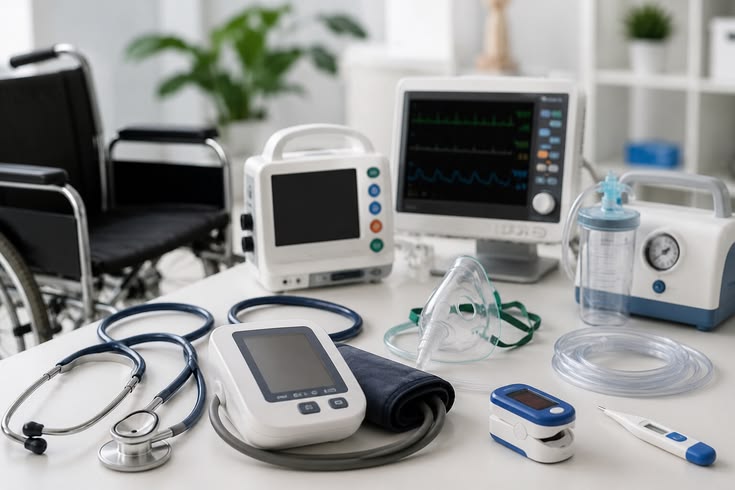
A blood pressure monitor allows patients with cardiovascular conditions, or those recovering from surgery, to track readings daily. Many affordable, FDA-cleared home monitors are accurate and easy to use. Look for an upper-arm cuff model, which tends to be more reliable than wrist-based alternatives, home medical equipment for recovery.
A reliable thermometer is non-negotiable. Fever can be an early sign of infection, and catching it early dramatically improves outcomes. Digital thermometers that provide readings in seconds are now widely available and inexpensive, home medical equipment for recovery.
Compression stockings are frequently prescribed after surgery to reduce the risk of deep vein thrombosis (DVT). These should be medical-grade and fitted correctly; your healthcare provider or pharmacist can help you identify the right compression level.
Basic wound care supplies, sterile gauze, adhesive bandages, antiseptic solution, and medical tape should be stocked before discharge. If a patient has a surgical wound or chronic wound requiring dressing changes, ask for a demonstration before leaving the hospital so the caregiver feels confident performing the task at home, home medical equipment for recovery.
Comfort and Hygiene Equipment: Maintaining Dignity During Recovery
Physical recovery is only part of the equation. Maintaining dignity and comfort during a vulnerable time matters enormously for mental health and overall healing.
Bedside commodes and raised toilet seats make bathroom trips safer and less exhausting for patients with limited mobility. A raised toilet seat reduces the distance a patient must lower themselves, which is particularly important after hip or knee surgery.
Shower chairs and bath benches allow patients to bathe without standing, reducing fall risk significantly. Pair these with a handheld showerhead for maximum independence and ease of use.
For patients dealing with incontinence, a common temporary side effect of surgery, illness, or certain medications, incontinence supplies (absorbent pads, pull-up underwear, and waterproof mattress protectors) help maintain comfort and dignity without sacrificing hygiene.
Pressure-relieving cushions and heating pads round out a comfort-focused setup. Patients spending long hours in bed or a chair are at risk of pressure sores, particularly over bony areas like the hips and tailbone. Medical-grade foam or gel cushions redistribute weight and reduce this risk, while heating pads (used safely and as directed) can ease muscle stiffness and postoperative discomfort, home medical equipment for recovery.
Respiratory and Monitoring Devices: Breathing Easier at Home
Patients recovering from pneumonia, COVID-19, heart failure, or surgery affecting the chest or lungs often need extra support at home.
Pulse oximeters clip onto a fingertip and measure blood oxygen saturation in seconds. Normal readings sit between 95% and 100%, anything below 92% typically warrants a call to a healthcare provider. These devices are affordable, widely available, and can provide crucial early warning signs of respiratory deterioration.
Nebulizers and inhalers may be prescribed for patients with asthma, COPD, or other respiratory conditions. If a nebulizer is part of the discharge plan, ensure the caregiver knows how to clean and operate it before leaving the hospital; contaminated equipment can cause lung infections, home medical equipment for recovery.
A humidifier may not be on every discharge list, but for patients with respiratory conditions or those living in dry climates, adding moisture to the air can ease breathing and reduce airway irritation. Keep it clean to avoid introducing mould or bacteria into the air supply, home medical equipment for recovery.
How to Choose and Use Medical Equipment Safely
Having the right equipment is only half the battle; using it correctly is what makes it effective.
- Always consult your healthcare provider before purchasing equipment. What works for one patient may be inappropriate or even harmful for another based on their specific diagnosis and physical condition.
- Get fitted and adjusted before discharge. Many hospitals have occupational therapists who can ensure walkers, crutches, and other aids are properly sized. Take advantage of this resource.
- Practice before you go home. Caregiver training sessions and patient practice runs, performed in the hospital under staff supervision, reduce anxiety and prevent misuse once at home.
- Maintain a cleaning schedule. Equipment like nebulizers, humidifiers, and blood pressure cuffs require regular cleaning to function safely. Check manufacturer instructions and keep a simple maintenance log.
Set Up for Success Before You Leave
The weeks following hospital discharge are often the most fragile stage of any recovery. With the right equipment in place, patients can rest, heal, and regain independence without unnecessary risk, and caregivers can provide effective support without burning out, home medical equipment for recovery.
Start the conversation with your healthcare team before discharge day. Ask specifically which equipment is recommended, whether insurance or Medicare covers any costs, and where to source what you need. Many home medical equipment suppliers offer delivery and setup services, which can take significant pressure off families during an already stressful time.
A safer recovery doesn’t happen by accident. It starts with preparation, and preparation starts with having the right tools within reach.
One thought on “Essential Home Medical Equipment for Safer Recovery After Hospital Discharge”
Pingback: Home Safety Medical Equipment: 9 Powerful Ways to Reduce