

The Rise of Preventive DME: Investing in Health Before Illness
In the world of high-value assets, the most significant portfolio one manages is not comprised of stocks, bonds, or even rare timepieces—it is one’s health. Just as a seasoned collector meticulously curates their acquisitions to ensure long-term value, the modern approach to wellness demands a shift from reactive treatments to proactive investment. This is where the concept of preventive durable medical equipment (DME) comes into play.
Historically, medical intervention has often been a response to a crisis, treating an illness or injury after it has already compromised one’s quality of life. However, a sophisticated new paradigm is emerging. By integrating high-quality medical equipment into daily life before a condition escalates, individuals can secure their independence and well-being for the future. This is not merely about acquiring healthcare products; it is about making a strategic decision to protect your most valuable asset.
Defining the Asset: What is Preventive durable medical equipment?
To navigate this landscape with confidence, one must first understand the criteria that define this category. Durable medical equipment (DME) refers to items which can withstand repeated use, are primarily used to serve a medical purpose, are generally not useful to a person in the absence of an illness or injury, and are appropriate for use in the home, including long-term care settings.
While traditional DME—such as hospital beds or standard wheelchairs—is often associated with acute recovery, preventive DME focuses on maintaining stability. These are tools designed to mitigate risk. For example, oxygen equipment or advanced glucose monitors act as sentinels, providing data and support that prevent minor fluctuations from becoming major medical events.
When evaluating equipment, clarity and quality are paramount. Just as one demands transparency when verifying the provenance of a luxury item, patients must ensure their equipment meets rigorous standards. It must be primarily and customarily used for medical reasons to qualify for coverage under most health insurance plans.
The Value Proposition of Prevention Durable Medical Equipment
Why invest now? The answer lies in the compound interest of health. Integrating preventive solutions early can yield significant dividends in longevity and lifestyle preservation.
Financial Efficiency
Navigating the complexities of a health plan can be daunting, but understanding coverage nuances is a key part of financial health. Many preventive items are Medicare-approved, meaning they meet strict federal standards for safety and efficacy. Specifically, Medicare Part B plays a crucial role here. Part B covers certain preventive services and covered DME that your doctor prescribes for use in your home. By leveraging these benefits, you transform a potential out-of-pocket expense into a subsidized investment in your future stability.
Preserving Independence
Beyond the financials, the true return on investment is the preservation of dignity and independence. Equipment that aids in mobility or environmental control—such as high-grade electric air cleaners for those with respiratory vulnerabilities—allows individuals to age in place with grace. It transforms the home from a place of limitation into a sanctuary of health.
Real-World Applications and Expert Curation
The application of preventive durable medical equipment spans a wide spectrum, addressing various physiological needs with precision.
Respiratory and Environmental Health
For those managing chronic respiratory conditions, the home environment must be optimized. Specialized oxygen equipment and filtration systems are no longer just clinical tools; they are essential components of a healthy living space. You can find extensive research on respiratory health at research-archive.org.
Diabetes and Chronic Management
Modern diabetes management is a prime example of preventive durable medical equipment in action. Continuous glucose monitors (CGMs) allow for real-time tracking, preventing the dangerous highs and lows that lead to hospitalization. Suppliers like promed-dme.com specialize in delivering these advanced solutions directly to your door, ensuring that your management tools are as reliable as they are discreet.
Mobility and Safety
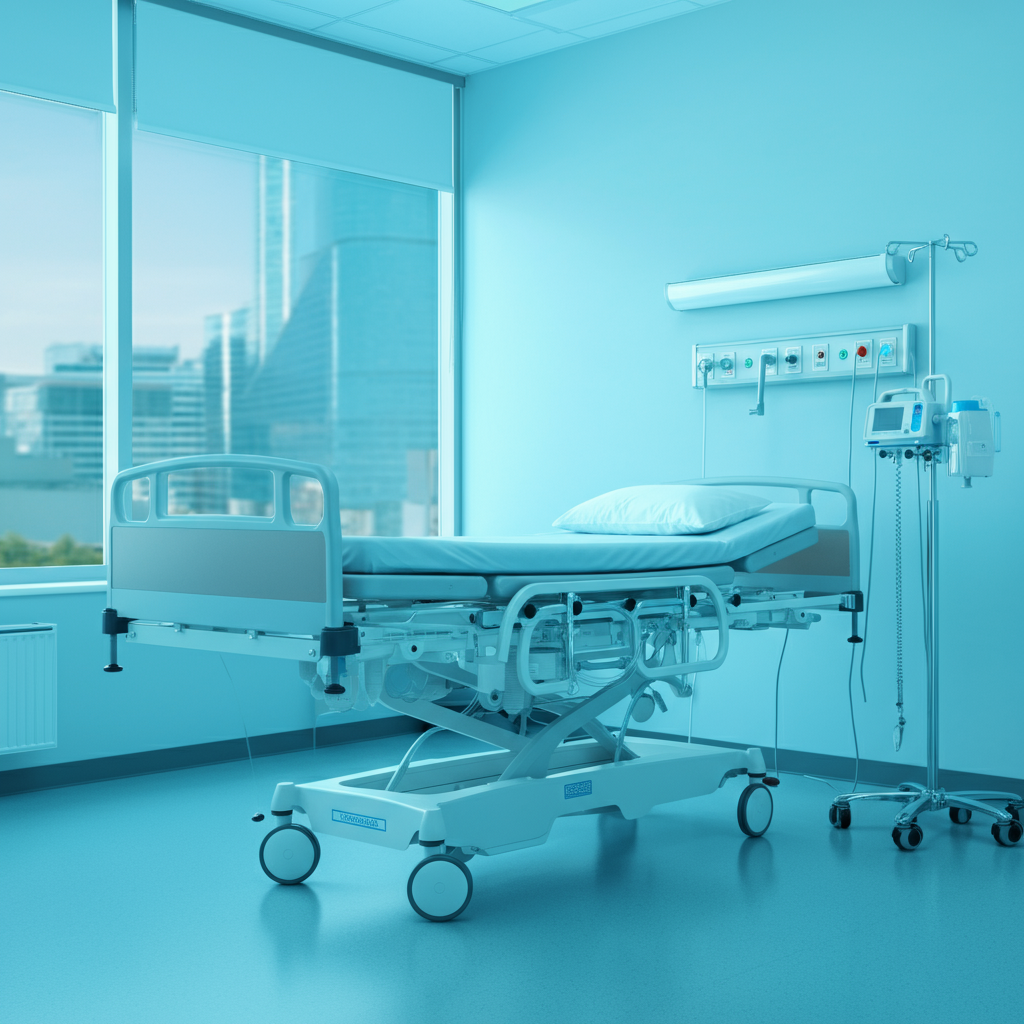
Prevention often means avoiding the fall that changes everything. Installing hospital beds with adjustable features or ergonomic supports before mobility becomes critically limited can prevent the accidents that lead to long-term decline. For pediatric needs, specialized providers like pedistat.com offer equipment tailored to younger demographics, ensuring safety from the start.
Identifying the Investor: Who Benefits Most?
While health is a universal concern, specific groups stand to gain the most from a preventive DME strategy.
The Proactive Senior
For the aging population, preventive DME is the key to remaining in control of one’s lifestyle. Utilizing Medicare Part B to access covered DME ensures that seniors can fortify their homes against common age-related risks without depleting their retirement savings. Resources like medicareresources.org provide invaluable guidance on navigating these benefits.
Those with Chronic Conditions
Individuals managing long-term conditions utilize preventive DME to treat an illness or minimize its progression. Whether it is managing sleep apnea or mobility restrictions, the right equipment serves as a daily partner in health maintenance.
Veterans and Service Members
Military personnel often require specialized support due to service-related strains. Platforms like us.army.mil, af.mil, and health.mil offer resources for veterans to access durable medical equipment that meets their unique needs. Additionally, altess.army.mil provides infrastructure support that indirectly aids in the efficient distribution of health information.
The Future of Health Investment
The landscape of health care is evolving rapidly. We are moving toward a future where equipment is not just durable, but intelligent. We are seeing the integration of AI into home health devices, allowing for predictive analytics that alert users to potential health issues before symptoms arise.
Innovation centers and modern facilities, such as manninghammedicalcentre.com.au, are increasingly incorporating these preventive technologies into their practice, creating a “one-stop shop” for health maintenance.
Furthermore, the digital age allows for better information dissemination. You can stay updated on the latest health tech trends via news aggregators like yahoo.com or bing.com, or curate your own reading lists on theoldreader.com. Knowledge, after all, is the precursor to smart investment.
However, one must also be aware of the legal landscape surrounding injury and insurance claims. Firms like fjlawgroup.com and injurytriallawyer.com highlight the importance of having the right documentation and equipment when managing recovery from an accident, ensuring your rights and health are both protected. Local news outlets like lakeconews.com often feature stories on how community health initiatives are adopting these preventive measures.
Moving Confidently into Your Health Future
Investing in preventive durable medical equipment is a move that signals foresight and sophistication. It is about recognizing that to serve a medical purpose is not just to fix what is broken, but to reinforce what is whole.
By understanding what Part B covers, verifying that your equipment is Medicare-approved, and selecting items that can withstand repeated use, you are building a foundation of resilience. Whether you are sourcing oxygen equipment, hospital beds, or simple mobility aids, approach the process with the same discernment you would apply to any major asset acquisition.
Prioritize your well-being today. Consult with specialists like valere-health.com to assess your current needs and secure the equipment that will safeguard your tomorrow.
What qualifies as Durable Medical Equipment (DME)?
To qualify as DME, the equipment must be durable (able to withstand repeated use), used for a medical purpose, not useful to someone without an illness or injury, and appropriate for use in the home.
Does insurance cover preventive durable medical equipment?
Yes, most health insurance plans, including Medicare Part B, provide coverage for medically necessary DME. However, the equipment must be prescribed by a doctor to treat an illness or condition.
What is the difference between diagnostic and preventive durable medical equipment?
Diagnostic equipment identifies a condition, while preventive DME is used to manage a condition and prevent deterioration. For example, a continuous glucose monitor tracks levels to prevent diabetic emergencies.
How do I know if a supplier is legitimate?
Ensure your supplier is accredited and enrolled in Medicare if you are seeking coverage. Reputable suppliers will handle the paperwork for covered DME and ensure you receive equipment that meets federal quality standards.
You must be logged in to post a comment.