

Home Medical Equipment Trends in 2026: What Patients Are Buying
Home medical equipment trends 2026
Home medical equipment trends 2026 are rapidly evolving as more patients shift toward home-based care and remote monitoring solutions. With advancements in technology and increasing healthcare costs, patients are now investing in equipment that offers convenience, safety, and independence,home medical equipment trends 2026.
Understanding home medical equipment trends 2026 can help providers and suppliers meet demand and stay competitive in a growing market.
Staying up-to-date with trends in home medical equipment (HME) is essential for both users and healthcare providers. Having an understanding of the options available empowers families to make informed decisions about their loved ones’ care. At the same time, healthcare professionals can recommend more effective solutions tailored to individual routines and needs,home medical equipment trends 2026.
In this article, we’ll explore the key innovations shaping the home medical equipment market in 2026. From the rise of smart, portable devices to regulatory changes and industry challenges, you’ll discover exactly what patients are purchasing to aid recovery and enhance comfort at home.
The Rise of Smart Medical Equipment
Technology has permeated all aspects of personal care. Today’s patients demand devices that do more than just perform a basic function, they want equipment that can collect data, analyse it, and provide clear recommendations,home medical equipment trends 2026.
Portable Health Trackers and Integration
Smartwatches and health patches have come a long way. These portable health trackers can now communicate directly with other home medical devices. For example, a heart rate monitor might send alerts to an oxygen machine, automatically adjusting the flow during the night. This constant synchronisation creates an invisible yet highly effective safety net for people with chronic conditions.
AI-Powered Diagnostic Tools for Home Use
Clinical diagnostics are no longer confined to doctor’s offices. AI-driven tools now enable patients to assess their health from the comfort of their couch. Innovative solutions backed by years of cardiovascular research, like those offered by conneqthealth.com, allow for detailed analyses of arterial health and central blood pressure. These devices can alert users to potential issues before they become emergencies,home medical equipment trends 2026.
Remote Monitoring Systems and Telehealth Integration
Video consultations with doctors are now complemented by live data streams. Remote monitoring systems send vital information, such as glucose levels or lung capacity, directly to electronic medical records. This allows for quick treatment adjustments and significantly reduces the need for physical trips to healthcare facilities.
Personalised and Portable Medical Solutions
Mobility and individualisation are key factors influencing purchases this year. Patients are moving away from one-size-fits-all approaches in favour of equipment that is custom-designed for their needs,home medical equipment trends 2026.
Customised Mobility Aids and Prosthetics
Manufacturers are using body scanners and 3D printing techniques to create mobility aids tailored to each user. Customised wheelchairs and walkers reduce fatigue and help prevent secondary injuries. Specialist companies like meyland-smith.com and tlchomemobility.com are leading the way in ergonomic solutions that restore independence to those with mobility challenges,home medical equipment trends 2026.
Compact Oxygen Concentrators and CPAP Machines
Bulky medical equipment is a thing of the past. Active patients now prefer portable oxygen concentrators that fit in a small backpack and CPAP machines for sleep apnoea that are no larger than a smartphone. These travel-approved devices make it easy for users to maintain their respiratory therapies while enjoying holidays or business trips without logistical headaches,home medical equipment trends 2026.
On-Demand Medical Device Rentals and Subscriptions
The consumption model has shifted towards economic flexibility. Instead of making significant purchases for temporary-use equipment, patients are opting for rental services or subscription models. This trend provides access to cutting-edge technology, regular maintenance, and the option to return the device once recovery is complete.
Focus on Comfort and Ease of Use
Medical equipment is only effective if patients know how to use it,and are willing to. User experience is now a top priority in product development for 2026,home medical equipment trends 2026.
Ergonomic Designs for Beds, Wheelchairs, and Commodes
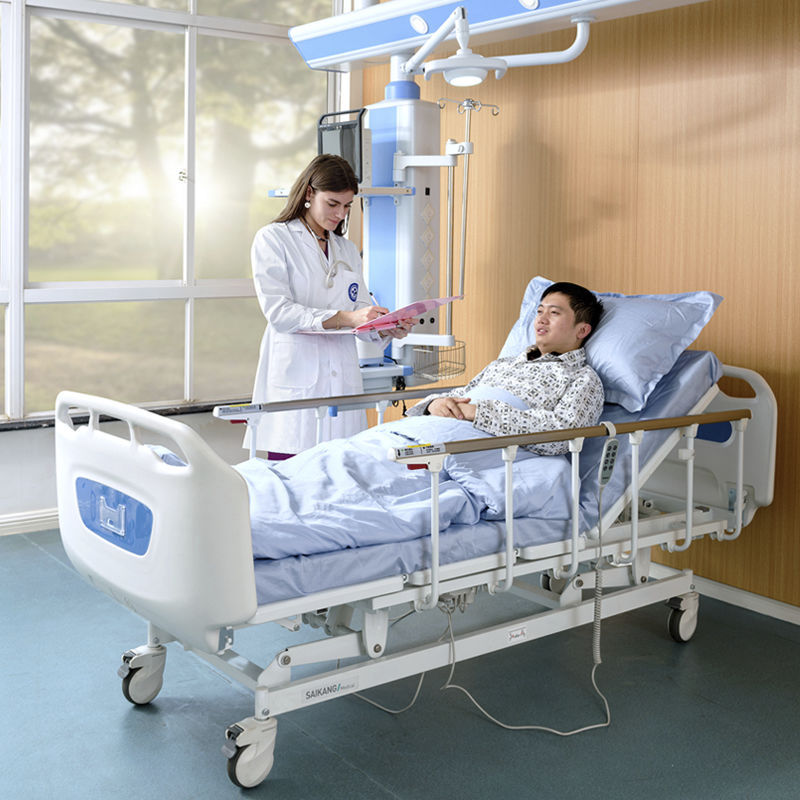
Home hospital beds no longer look cold or mechanical. They now feature advanced pressure-distribution mattresses and wooden frames that conceal internal motors. Wheelchairs and commodes include soft, breathable materials to reduce the risk of pressure sores and improve overall comfort during long periods of use.
Intuitive Interfaces for Medical Devices
Technical complexity frustrates many older users. Today’s devices feature large touchscreens, colour-coded buttons, and clear voice commands. Some manufacturers even use virtual assistance platforms similar to accio.com to automate maintenance reminders and guide patients step-by-step in using their machines, eliminating the confusion often caused by traditional manuals.
Aesthetic Equipment That Blends Into the Home
People don’t want their homes to resemble hospital rooms. The design of home medical equipment has improved significantly, with minimalist lines, neutral colours, and low profiles that blend seamlessly with home décor, preserving the patient’s dignity and emotional well-being.
Advanced Wound Care and Recovery at Home
Outpatient surgeries require powerful, safe post-operative care tools that can be operated by patients or their families,home medical equipment trends 2026.
Smart Wound Care Devices with Remote Monitoring
The treatment of complex wounds benefits from dressings that include moisture and temperature sensors. These smart dressings detect early signs of infection and send alerts to the doctor’s mobile phone. This reduces unnecessary dressing changes, minimises patient pain, and accelerates natural healing.
Portable Physiotherapy and Rehabilitation Equipment
Neurological and muscular rehabilitation is increasingly happening in living rooms. Patients are purchasing electric pedalers, lightweight muscle electrostimulation devices, and virtual reality systems to complete their daily physiotherapy routines with precision, effectively regaining mobility.
At-Home Pain Management Devices
Chronic pain management is moving away from an over-reliance on medication. Portable transcutaneous electrical nerve stimulators (TENS), clinical-grade heat therapy pads, and pneumatic compression massagers offer patients effective alternatives to relieve pain from the comfort of their beds.
Regulatory and Insurance Considerations
The legal and financial environment largely dictates which equipment ultimately reaches patients.
Impact of New Regulations on Accessibility
Health authorities have updated their approval criteria for home care devices, requiring stricter testing for cybersecurity and reliability. Clinical information sites like pharmiweb.com frequently report how these regulatory frameworks ensure only the safest equipment reaches the market, though this sometimes delays the release of new technologies.
Evolution of Insurance Coverage for Home Care
Insurers are recognising that home care significantly reduces hospital costs. As a result, they are expanding policies to cover rental remote monitoring devices and telehealth systems. Corporate news portals like globenewswire.com often highlight new partnerships between insurance providers and HME manufacturers to make this financial access easier for patients.
Role of Medical Equipment Providers in These Changes
Traditional HME providers have transformed their business models. They now act as comprehensive consultants, helping families navigate complex insurance paperwork, ensuring compliance with medical regulations, and offering ongoing technical support to guarantee proper equipment use at home.
Challenges and Opportunities in the Medical Equipment Market
Despite rapid growth, the industry faces significant obstacles that must be overcome to reach its full potential.
Privacy and Data Security Concerns
With the proliferation of connected devices, the vast amount of health data transmitted over home networks presents a security risk. Manufacturers have a critical obligation to implement end-to-end encryption protocols to safeguard patients’ confidential medical information from potential cyberattacks.
Ensuring Equitable Access to Advanced Equipment
The digital and economic divide threatens to leave vulnerable populations behind. Global news platforms like yahoo.com and financial analysis sources like marketminute.com often stress the need for government subsidies and community assistance programs to ensure that home healthcare innovations benefit all communities, regardless of income level.
Innovation for an Ageing Population
The global ageing population is the primary driver of this industry. According to reports from specialised consultancies like precedenceresearch.com, the market demands a steady influx of products designed specifically to address the challenges associated with ageing, such as muscle loss, cognitive disorders, and coordination difficulties.
The Future of Home Healthcare
The year 2026 marks a turning point for home medical technology. Equipment has become smarter, more portable, and more focused on user dignity and comfort. From AI-powered diagnostic tools to ultra-light mobility aids, the available options are redefining what it means to recover and age at home.
The adoption of these technologies will continue to grow as regulations adapt and insurers expand coverage. However, addressing data security challenges and ensuring fair access for all will require a concerted effort from manufacturers, governments, and healthcare professionals.
Taking control of personal health starts with the right information. Assess your household’s specific needs, consult your trusted doctor about the most suitable devices, and review your insurance coverage options. By making informed decisions about home medical equipment, you can create a safer, more comfortable care environment tailored to your needs.
You must be logged in to post a comment.