

The Complete Guide to CPAP Machines in 2025
The Complete CPAP Machines Guide 2025 for Better Sleep
Sleep health continues to be a top priority in 2025, especially for people managing obstructive sleep apnea (OSA). For many, a CPAP device—short for continuous positive airway pressure—is the most effective solution to keep the airway open during sleep. If you’re a CPAP user or exploring treatment, this CPAP machines guide 2025 will help you understand your options, features, and how to choose the right system.
Why You Need a CPAP Machines Guide 2025
CPAP therapy works by delivering steady airflow into the nose and throat, preventing breathing interruptions. Untreated OSA can lead to serious issues like heart disease, fatigue, and poor patient satisfaction with daily life. By using a CPAP machine consistently, you not only reduce health risks but also wake up more refreshed.
Types of CPAP Machines in 2025 Explained
Not every patient needs the same setup. Choosing the right type of CPAP machine depends on your diagnosis and sleep study results.
- Standard CPAP Device: Delivers a single pressure level throughout the night.
- Auto-Adjusting CPAP (APAP): Uses real-time sensors to deliver auto-adjusting pressure, ideal for those whose breathing patterns change during sleep.
- BiPAP Machine: Offers different pressures for inhaling and exhaling, often used for higher tolerance needs.
- Travel CPAP Machine: Compact and lightweight, perfect for frequent travellers without compromising effectiveness.
Features Highlighted in This CPAP Machines Guide 2025
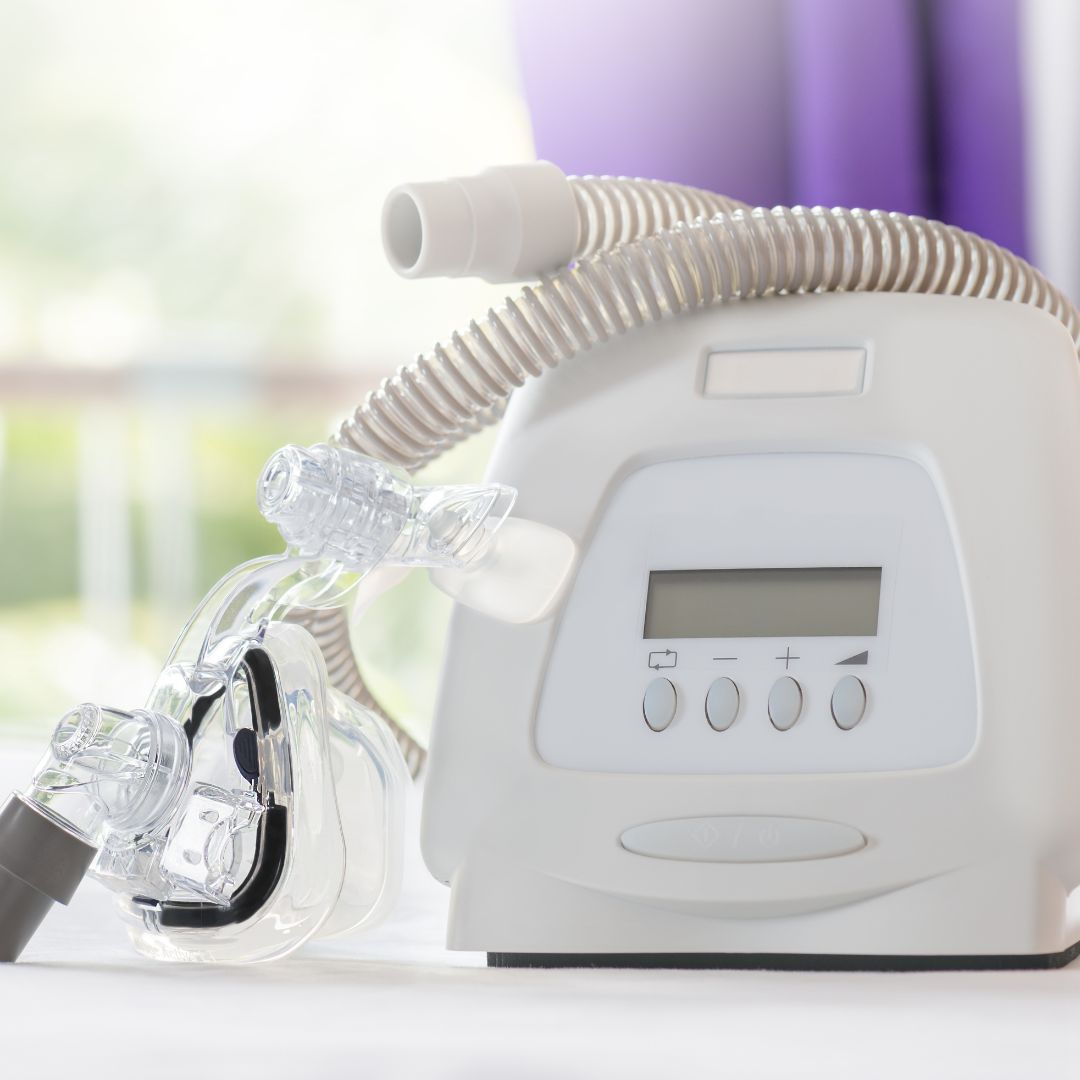
Modern CPAP devices come with advanced features that enhance comfort for CPAP users:
- Nasal Pillows or CPAP Mask: Options for better fit and reduced bulkiness.
- Ramp Feature: Starts at a lower pressure level and gradually increases, helping new users adjust.
- Heated Humidifier: Reduces dry mouth and nasal irritation by adding moisture to the airflow.
- Auto-Adjusting Pressure: Adjusts based on your breathing needs throughout the night.
Popular models like the Luna G3 Auto CPAP Machine combine several of these features, making therapy easier and more effective.
How a Sleep Specialist Can Help With CPAP Therapy
Every CPAP journey starts with a sleep study, typically recommended by a sleep specialist. They determine your diagnosis, required pressure level, and best type of CPAP machine for your needs. Ongoing consultations also help manage side effects such as high-pressure discomfort or mask leaks.
For trusted insights on sleep health, platforms like Health.com and Klarity Health provide detailed resources.
Tips for CPAP Users from Our CPAP Machines Guide 2025
- Regularly clean your CPAP mask and tubing to avoid bacteria buildup.
- Replace nasal pillows or masks as recommended by manufacturers.
- Work with your provider if you struggle with high pressure or discomfort.
- Consider a travel CPAP machine if you’re often on the go.
- Explore modern devices with integrated apps for real-time progress tracking.
These steps not only improve therapy effectiveness but also support better long-term financial health by reducing medical costs from untreated sleep apnea.
Explore Shop:
What is the best CPAP machine in 2025?
The best choice depends on your needs. Devices like the Luna G3 Auto CPAP Machine offer auto-adjusting pressure, a ramp feature, and a heated humidifier, making them popular among CPAP users.
How do I know which type of CPAP machine is right for me?
A sleep specialist will conduct a sleep study to determine your diagnosis and recommend the right device—whether a standard CPAP, APAP, or travel CPAP machine.
Can CPAP therapy help with dry mouth and discomfort?
Yes. Modern CPAP devices include a heated humidifier to reduce dry mouth and a ramp feature to ease adjustment to higher pressures.
Do I need a CPAP mask or nasal pillows?
It depends on comfort and preference. Nasal pillows are lightweight and ideal for those who feel claustrophobic, while a full CPAP mask provides a secure seal for higher pressures.
Is CPAP therapy effective for everyone with OSA?
Most patients with obstructive sleep apnea benefit greatly from positive airway pressure CPAP therapy. However, ongoing adjustments with a sleep specialist ensure the best results.
You must be logged in to post a comment.