

The Evolution of Healthcare: Smart Medical Devices 2026
Healthcare is transforming right before our eyes. The bulky, stationary equipment of the past is quickly making way for sleek, intelligent tools that fit comfortably on a wrist or operate quietly in the background of our homes. These medical devices are no longer just tools for doctors. They have evolved into highly sophisticated companions that gather complex health information to help everyone make better health decisions.
The category of smart medical devices 2026 represents a major shift toward proactive medicine. These tools combine digital health technology with powerful software to analyze symptoms long before they become emergencies. By capturing vast amounts of data, these connected devices offer a continuous, highly detailed picture of human health that a standard yearly checkup simply cannot provide.
Reading through this guide will give you a comprehensive understanding of the innovations driving this sector forward. We will explore the specific trends, applications, and challenges associated with smart medical devices 2026. You will see exactly how they empower patients, improve the workflows of healthcare providers, and set the stage for a much healthier future.
Key Trends Shaping Smart Medical Devices 2026
Several core technological advancements are pushing this industry to new heights. The smart medical devices 2026 ecosystem thrives on innovations that make healthcare faster, smaller, and vastly more intelligent. By utilizing strategic horizon scanning tools, industry leaders can predict how these technologies will evolve over the next few years.
Miniaturization and Portability
Technology shrinks while its power grows. We are now seeing the rise of wearable sensors that stick to the skin like temporary tattoos and ingestible cameras the size of a vitamin pill. These minimally invasive tools allow doctors to examine internal organs without requiring surgery. As components become smaller, patient comfort increases drastically.
AI and Machine Learning Integration
Artificial intelligence is the brain behind the hardware. Machine learning algorithms process millions of data points to generate predictive analytics. Instead of treating symptoms as they appear, doctors can use AI to personalize treatment plans based on a patient’s unique genetic and historical profile. This capability is expected to redefine clinical workflows entirely.
IoT and Connectivity
The Internet of Things (IoT) binds these tools together. Remote patient monitoring systems allow clinics to observe individuals recovering at home. These monitoring devices stream vital signs securely to hospital databases. Having a continuous flow of data streams ensures that medical professionals can step in immediately if a person’s condition changes.
Advanced Sensor Technology
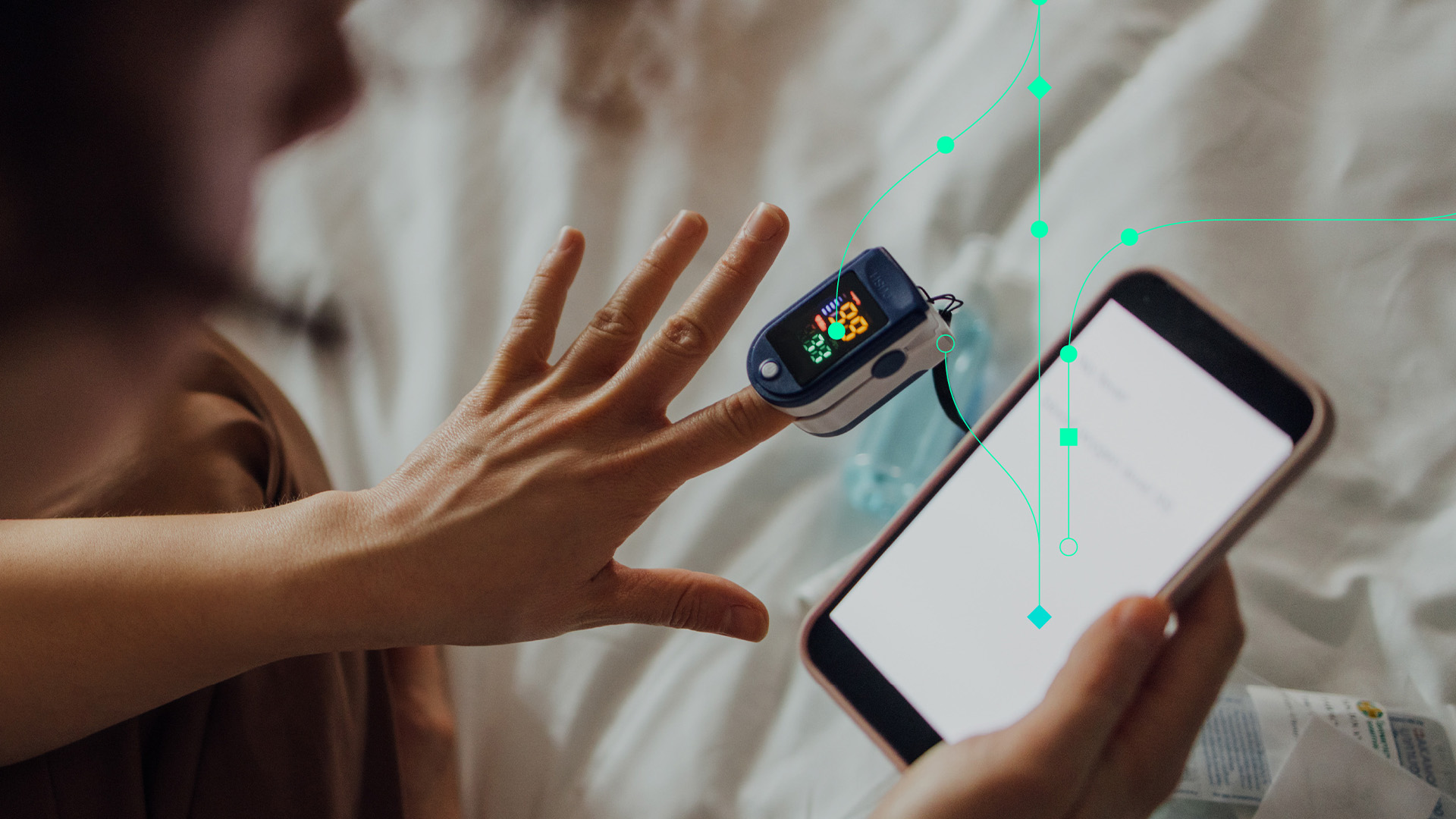
New sensors can achieve clinical accuracy without piercing the skin. Medical-grade tools are increasingly capable of non-invasive diagnostics. For example, modern optical sensors can measure blood oxygen and glucose levels through the skin. These features enable real-time data collection, allowing for immediate interventions when necessary.
Data Security and Privacy
With massive amounts of personal health information flowing through the cloud, security is a top priority. Addressing complex regulations like HIPAA and GDPR requires robust software. Organizations often rely on continuous compliance monitoring platforms to track evolving legal guidelines. Strong encryption and secure cloud architecture are mandatory to protect sensitive health records.
Impact on Healthcare Stakeholders
The rise of smart medical devices 2026 alters the landscape for everyone involved in the medical field. The benefits ripple outward, affecting individuals, medical staff, and large organizations alike.
Patients
These technologies fundamentally empower patients to take control of their own well-being. By having immediate access to their own health metrics, individuals can adjust their diets, exercise routines, and habits. These tools improve patients’ daily lives by making health management highly accessible and deeply personalized.
Healthcare Providers
Doctors and nurses gain an unprecedented level of diagnostic accuracy. Instead of relying on a patient’s memory of their symptoms, physicians can view weeks of accurate data. This data-driven approach streamlines daily workflows and significantly enhances remote care capabilities. Ultimately, these factors combine to improve patient outcomes across the board.
Hospitals and Clinics
For large medical facilities, operational efficiency is crucial. Smart devices can automate the collection of vital signs, saving thousands of nursing hours. This efficiency reduces operational costs and keeps hospital beds open for severe emergencies. Health executives frequently look to general news outlets and specialized journals to track the financial benefits of these institutional upgrades.
Pharmaceutical Companies
Drug developers use these devices to monitor clinical trials with incredible precision. They can track the exact physiological responses of participants and quickly identify side effects. This speeds up drug development and ensures better post-market surveillance. When sharing these breakthroughs, companies often leverage targeted PR and communication services to inform the public and investors.
Specific Application Areas in 2026
By the year 2026, we will see these smart devices deeply integrated into highly specific areas of medicine.
Chronic Disease Management
Managing lifelong conditions requires constant vigilance. For diabetes management, continuous glucose monitors have become the gold standard. In cardiology, innovations from companies like Medtronic provide pacemakers that transmit alerts directly to a smartphone. Furthermore, advanced platforms such as Rhythm360 help clinics manage remote data for those suffering from severe blood pressure issues and chronic heart disease.
Preventive Care & Wellness
Wellness is no longer just about avoiding illness; it is about optimizing health. Fitness trackers, sleep monitors, and smart scales encourage proactive behaviour. These tools are vital for early detection, alerting users to subtle changes in their resting heart rate or breathing patterns before a serious illness takes hold.
Elderly Care
Aging populations require supportive technologies to remain independent. Fall detection watches and automated medication reminders provide safety nets for seniors living alone. Furthermore, companies specializing in mobility and rehabilitation, such as Meyland-Smith, are developing smart walking aids that offer remote assistance and track physical activity for the long term.
Mental Health
Physical sensors are now tackling mental well-being. Wearable biosensors can track skin conductance and heart rate variability to identify periods of severe stress and anxiety. By logging these physical responses, users and their therapists can pinpoint exact environmental triggers, paving the way for better therapeutic interventions.
Challenges and Considerations
Despite the clear benefits, the path forward for smart medical devices 2026 involves several complex hurdles that manufacturers and regulators must navigate.
Regulatory Hurdles
Gaining approval from bodies like the FDA or securing a CE mark in Europe is a rigorous process. Agencies must ensure strict patient safety standards are met before any device hits the market. Navigating these evolving guidelines requires intense legal scrutiny and massive capital. Many startups seek partnerships through regional venture funds to secure the backing needed for these long regulatory battles. Additionally, sourcing the right manufacturing partners often requires tools like Accio’s smart sourcing to find certified, high-quality component suppliers.
Interoperability
A major technical challenge is ensuring seamless data exchange. If a patient uses a smart blood pressure cuff from one brand and a smart scale from another, the hospital’s database must be able to read both. Establishing universal communication standards is essential to prevent data silos.
Ethical Implications
As algorithms make more clinical recommendations, questions of bias and data ownership arise. It is critical that the data used to train artificial intelligence is diverse and representative of the whole population. Furthermore, companies must prioritize transparent ESG (Environmental, Social, and Governance) reporting, often distributing updates via sustainability news networks to maintain public trust.
Cost and Accessibility
Advanced technology is expensive. There is a real risk that smart medical devices 2026 could widen the health inequality gap if they are only available to wealthy populations. Ensuring equitable access through insurance coverage and subsidized programs is vital for true global health improvement.
Looking Beyond: What Follows Smart Medical Devices 2026?
As we look toward the end of the decade, the landscape of connected healthcare will only expand. We will likely see the introduction of quantum computing into genomic sequencing and drug discovery, drastically cutting down the time it takes to find cures for rare diseases. The physical devices will become completely invisible, woven directly into the fabric of our clothing or integrated seamlessly into our smart homes.
The future relies heavily on collaboration. To stay informed on these incredible leaps, medical professionals and technology enthusiasts regularly share their insights on community platforms like WriteUpCafe. As these technologies mature, the primary goal will remain the same: delivering accessible, precise, and highly personalized care to everyone.
Frequently Asked Questions About Smart Medical Devices 2026
What are smart medical devices 2026?
They are medical-grade, connected devices equipped with sensors and software designed to collect, analyze, and transmit patient health data securely and efficiently.
How do these devices improve patient outcomes?
By monitoring vital signs in real time, these devices allow doctors to detect potential health issues early, customize treatments, and intervene before a condition worsens.
Are these connected devices safe to use?
Yes. They must undergo strict regulatory testing by agencies like the FDA to ensure patient safety and data privacy before they are released to the public.
Can artificial intelligence really help personalize treatment?
Absolutely. AI algorithms analyze massive datasets to identify patterns unique to an individual, allowing doctors to prescribe therapies that are tailored to the patient’s specific biology.
You must be logged in to post a comment.