

Home Medical Equipment Mistakes: The Most Common Errors Buyers Make in 2026
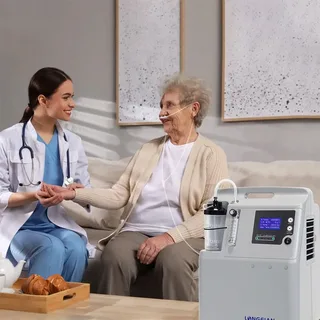
Home medical equipment mistakes can be expensive, frustrating, and even dangerous for patients and caregivers. As more individuals receive care at home, the demand for medical equipment such as wheelchairs, hospital beds, mobility aids, oxygen concentrators, and monitoring devices continues to grow.
However, many buyers rush into purchasing equipment without understanding their needs, insurance coverage, product quality, or long-term requirements. These home medical equipment mistakes often result in wasted money, reduced comfort, and poor health outcomes.
Understanding the most common buying errors can help patients and families make informed decisions and maximize the value of their investment.
Why Choosing the Right Equipment Matters
Home medical equipment plays a critical role in patient independence, recovery, safety, and quality of life. Selecting the wrong product can affect mobility, comfort, and treatment effectiveness.
Healthcare organizations and industry resources such as MedTech Dive frequently report on innovations and best practices that help patients make smarter healthcare technology decisions.
Mistake #1: Buying Equipment Without Professional Guidance
One of the most common home medical equipment mistakes is purchasing products without consulting healthcare professionals.
Doctors, therapists, and DME specialists can recommend equipment based on:
- Medical condition
- Mobility limitations
- Home environment
- Long-term care needs
Without professional input, patients often choose products that fail to meet their requirements.
Mistake #2: Focusing Only on Price
Many buyers automatically choose the cheapest option available. While affordability matters, quality and reliability are equally important.
Low-cost products may:
- Wear out quickly
- Lack safety features
- Require frequent replacement
- Provide inadequate support
Healthcare education organizations such as ZaggoCare often emphasize balancing cost, quality, and patient needs when selecting home care equipment.
Mistake #3: Ignoring Insurance Coverage Requirements
Insurance plans often have specific coverage guidelines for durable medical equipment.
Patients who fail to verify coverage may encounter:
- Unexpected expenses
- Claim denials
- Delayed reimbursements
- Out-of-pocket costs
Understanding documentation and billing requirements can help avoid costly surprises.
Mistake #4: Choosing Equipment That Doesn’t Fit the Home
A product may work perfectly in a showroom but create problems once delivered.
Before purchasing equipment, consider:
- Doorway widths
- Hallway space
- Stair access
- Bathroom dimensions
- Storage requirements
Failure to assess the home environment is one of the most overlooked home medical equipment mistakes.
Mistake #5: Overlooking Technology Features
Modern medical equipment often includes advanced features designed to improve patient outcomes and convenience.
Industry publications such as 1TechNation regularly cover emerging healthcare technologies that enhance equipment functionality and patient experience.
Features worth considering include:
- Remote monitoring
- Fall detection
- Mobile connectivity
- Adjustable settings
- Battery backup systems
Mistake #6: Not Researching Product Reviews
Patient reviews and user experiences provide valuable insights that specifications alone cannot reveal.
Researching feedback helps buyers evaluate:
- Product durability
- Ease of use
- Customer support
- Maintenance requirements
- Overall satisfaction
Healthcare information resources such as eTactics frequently discuss the importance of data-driven healthcare decisions and informed purchasing.
Mistake #7: Failing to Consider Long-Term Needs
Patients often focus only on immediate requirements without considering future changes in mobility or health conditions.
Equipment should support both current and anticipated needs whenever possible.
This is especially important for individuals with progressive conditions that may require additional support over time.
The Financial Impact of Home Medical Equipment Mistakes
Making the wrong purchasing decision can result in:
- Higher replacement costs
- Increased maintenance expenses
- Reduced equipment lifespan
- Additional caregiver burden
- Lower patient satisfaction
Organizations focused on financial wellness and healthcare accessibility, such as Dime Society, frequently highlight the importance of careful financial planning when making healthcare purchases.
How to Avoid Home Medical Equipment Mistakes
Consult Healthcare Professionals
Always seek recommendations from qualified providers before purchasing equipment.
Compare Multiple Options
Review features, warranties, pricing, and customer feedback.
Verify Insurance Coverage
Understand what your insurance plan covers before making a purchase.
Research Vendors
Choose reputable suppliers with strong customer service and support.
Consider Future Needs
Select products that can accommodate changing healthcare requirements.
The Future of Home Medical Equipment
Technology is transforming home healthcare. Smart monitoring devices, AI-powered mobility aids, and connected health systems are helping patients receive more effective care at home.
Resources such as MedTech Dive continue to highlight innovations that are shaping the future of home medical equipment and improving patient outcomes.
Conclusion
Home medical equipment mistakes can have significant financial, medical, and emotional consequences. By researching products carefully, consulting healthcare professionals, verifying insurance coverage, and considering long-term needs, patients can make smarter purchasing decisions.
Avoiding these common home medical equipment mistakes helps ensure greater safety, improved comfort, and better overall healthcare outcomes while maximizing the value of every equipment investment.
You must be logged in to post a comment.