

DME Maintenance 2025: Essential Strategies for Providers
The durable medical equipment (DME) landscape is shifting rapidly. As we move further into 2025, the pressure on providers to maintain equipment efficiency, ensure patient safety, and navigate complex regulatory environments has never been higher. For a DME supplier, maintenance isn’t just about fixing broken wheelchairs or servicing oxygen concentrators; it is a strategic necessity that impacts your bottom line and your accreditation status.
Effective maintenance protocols ensure that equipment remains safe and functional for the end-user. However, DME Maintenance 2025, the definition of maintenance has expanded to include robust documentation, adherence to evolving fee schedules, and the integration of smart technologies. This guide explores the critical components of DME maintenance this year, offering actionable insights to keep your inventory and your business running smoothly.
The Importance of Regular Maintenance
Regular maintenance is the backbone of any successful DME Maintenance 2025 operation. Neglecting this crucial step can lead to costly emergency repairs, reduced equipment lifespan, and, most critically, compromised patient care.
When a piece of oxygen equipment fails, it is not merely an inconvenience; it can be a medical emergency. Proactive maintenance schedules reduce the risk of such failures. Furthermore, consistent upkeep protects your financial investment. Durable medical equipment is a significant capital expense, and extending the lifecycle of these assets through preventative care directly supports profitability.
Additionally, maintenance records are often the first thing auditors request. Whether you are dealing with Medicare Administrative Contractors (MACs) like Noridian or CGS Medicare, or accreditation bodies like CHAP, having a spotless maintenance history demonstrates compliance and operational excellence.
Key Areas of DME Maintenance 2025
DME Maintenance 2025 covers a broad spectrum of activities. While the specifics vary by device, the core areas of focus remain consistent across the industry.
Electrical and Mechanical Safety For DME Maintenance 2025
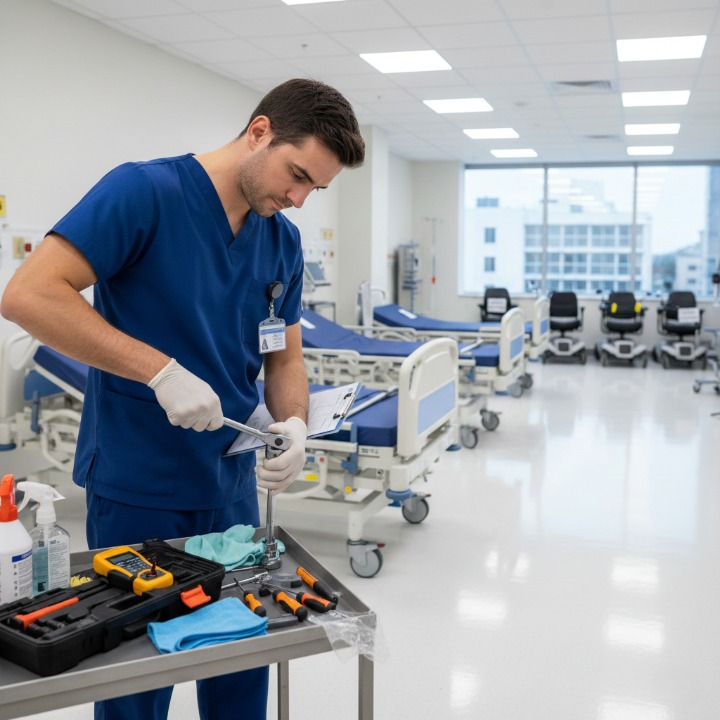
For powered mobility devices and complex respiratory equipment, electrical safety checks are non-negotiable. This involves testing battery efficacy, checking for frayed cords, and ensuring motor functions meet manufacturer specifications. Mechanical maintenance includes tightening loose fittings, lubricating moving parts, and inspecting structural integrity to prevent collapse or malfunction during use.
Sanitation and Infection Control For DME Maintenance 2025
In a post-pandemic world, infection control remains a top priority. Equipment must undergo rigorous cleaning and disinfection processes between patients. This applies to everything from hospital beds to CPAP machines. Providers must adhere to strict protocols to prevent cross-contamination, protecting both the patient and the staff handling the equipment.
Software and Firmware Updates
Modern DME is increasingly digital. Many high-end devices now rely on software to function correctly. Maintenance schedules must now include checking for and installing firmware updates. These updates often fix bugs, improve battery management, or enhance data reporting capabilities that are essential for billing and monitoring.
Common Issues and Troubleshooting For DME Maintenance 2025
Even with the best preventative measures, issues will arise. Being prepared to troubleshoot common problems quickly can save time and maintain patient trust.
Power Failures in DME Maintenance 2025
Battery issues are among the most frequent complaints. This is often due to improper charging habits by the patient or natural degradation of the battery cells. Technicians should be equipped to test voltage and load capacity to determine if a replacement is necessary or if patient education on charging cycles is the solution.
Wear and Tear in DME Maintenance 2025
Items like wheelchair tires, armrests, and tubing for oxygen equipment naturally degrade over time. Regular inspections can identify these issues before they cause total failure. For example, checking the tread on mobility device tires can prevent slippage accidents, while inspecting tubing for micro-cracks ensures proper oxygen delivery.
Sensor Malfunctions
As equipment becomes “smarter,” sensor malfunctions are becoming more common. These can lead to false alarms or failure to operate. Troubleshooting often involves recalibrating the device or cleaning sensor ports that may be obstructed by dust or debris.
Preventative Measures for Longevity
To maximize the lifespan of your inventory, a reactive approach is insufficient. A proactive, preventative maintenance plan is essential.
- Scheduled Inspections: specific intervals for checking equipment, regardless of whether a patient has reported an issue. This includes, but is not limited to, 6-month checks for mobility devices and quarterly checks for respiratory filters.
- Patient Education: Often, equipment failure is user error. Educating patients and caregivers on proper use, storage, and basic cleaning can significantly reduce wear and tear.
- Environmental Considerations: Instruct patients on the importance of keeping equipment in appropriate environments. Extreme temperatures or high humidity can damage sensitive electronic components in durable medical equipment.
Regulatory Compliance in 2025
Compliance is not static. In 2025, staying compliant means keeping up with the latest requirements from federal and private payers.
Fee Schedules and Documentation
Billing and maintenance are intrinsically linked. If a repair is performed, it must be documented perfectly to justify reimbursement, especially given the scrutiny on fee schedules. MACs like Noridian and Palmetto GBA have specific requirements for what constitutes a billable repair versus routine maintenance.
Accreditation Standards
Organizations like CHAP require evidence of a systematic maintenance program. This means your logs must be up-to-date, legible, and accessible. Failure to produce these records during a survey can put your accreditation and your ability to bill Medicare at risk.
Product Classification
Ensure you are using the correct coding for repairs and parts. Resources like the DME PDAC (Pricing, Data Analysis and Coding) contractor are vital for verifying that the parts you are using and billing for match the correct HCPCS codes.
Emerging Technologies in DME Maintenance 2025
Technology is transforming how maintenance is performed. 2025 sees a rise in remote monitoring and predictive analytics.
- Remote Diagnostics: Some modern oxygen concentrators and ventilators can now transmit error codes directly to the provider via Wi-Fi or cellular data. This allows technicians to diagnose a problem before they even arrive at the patient’s home, ensuring they have the right parts on the truck.
- Asset Management Software: Advanced inventory management systems are replacing paper logs. These systems can automatically alert a DME supplier when a piece of equipment is due for service, ensuring nothing falls through the cracks.
- 3D Printing Parts: For older or discontinued models, finding replacement parts can be a nightmare. Some forward-thinking providers are turning to 3D printing to manufacture non-critical plastic components, reducing downtime.
Future Trends and Predictions for DME Maintenance 2025
Looking ahead, the industry is moving toward a model of “servitization,” where the focus shifts from selling a product to selling a guaranteed uptime.
We expect to see tighter integration between maintenance software and billing platforms. This will streamline the process of submitting claims for repairs. Additionally, as fee schedules continue to evolve, providers will likely rely more on third-party maintenance organizations to handle repairs, allowing the supplier to focus on patient intake and logistics.
Another trend is the increased consumerization of healthcare. Patients are researching their equipment and maintenance needs on platforms like Bing, Yahoo, and GoodRx. Providers must be prepared to answer more technical questions from informed patients who want to know why a specific repair is needed or if a cheaper alternative exists.
Resources and Further Reading
Staying informed is half the battle. Utilize these resources to keep your team up to date:
- Medicare Administrative Contractors: Check the websites of Noridian, CGS Medicare, FCSO, and Palmetto GBA regularly for jurisdictional updates.
- Industry News: Publications like The O&P EDGE provide excellent insights into broader industry trends that affect DME and orthotics.
- Coding and Pricing: Bookmark DME PDAC for the definitive guide on coding and product classification.
- Accreditation: Visit CHAP for standards and compliance resources.
Mastering Maintenance for Business Growth
DME Maintenance 2025 is more than a chore; it is a strategic advantage. By implementing robust preventative measures, leveraging new technologies, and adhering strictly to compliance standards, a DME supplier can improve patient outcomes and secure their financial future. The landscape will continue to change, but a commitment to quality and safety remains the constant that will drive success.
What is the difference between repair and routine maintenance?
Routine maintenance refers to scheduled checks and cleaning (like filter changes) required to keep the equipment running. Repairs are services performed to fix specific broken or malfunctioning components. Medicare generally covers repairs, but may not cover routine maintenance for capped rental items.
How often should oxygen equipment be serviced?
While manufacturers provide specific guidelines, a general rule of thumb is to check oxygen concentrators every 3 to 6 months to verify purity levels and flow rates. Filters should be checked more frequently by the patient.
Can I bill for travel time for a maintenance technician?
Medicare and many private insurance policies have strict rules regarding travel time. Generally, travel time is not separately billable for routine maintenance. Check your specific jurisdiction’s LCD (Local Coverage Determination) on sites like Noridian for exact details.