

Top 10 Home Medical Devices for 2025
Best home medical equipment 2025
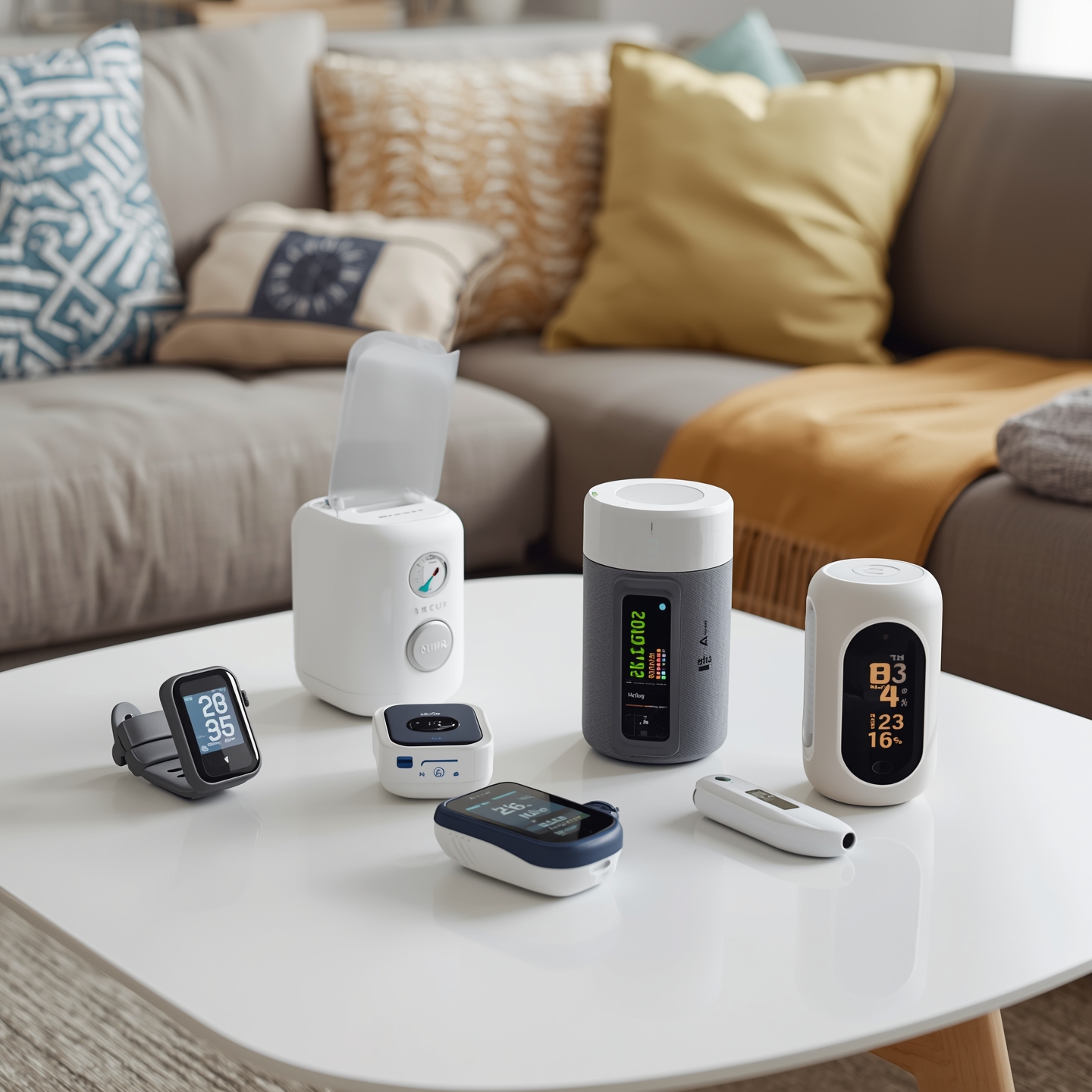
Best home medical equipment 2025 is revolutionizing how patients manage their health at home. From wearable trackers and smart glucometers to mobility aids and advanced monitoring devices, these tools empower individuals to track vital signs, manage chronic conditions, and recover safely. Choosing the right equipment can improve comfort, safety, and overall quality of life while enabling proactive health management.
The landscape of healthcare is shifting, with more people choosing to manage their health from the comfort of their homes. This change has been powered by remarkable advancements in home medical equipment, making it easier than ever for individuals and their families to monitor health, manage a chronic condition, or recover from surgery. Modern devices are not just functional; they’re user-friendly, connected, and designed to seamlessly integrate into daily life, offering both patients and caregivers greater peace of mind.
This guide will walk you through the best home medical equipment available in 2025. We’ll explore the key features, benefits, and potential drawbacks of the top 10 devices that are transforming home care. By the end, you’ll have a clearer understanding of the options available and feel more confident in selecting the right tools to support your health journey.
How We Chose the Best Equipment
Selecting the right medical equipment is a significant decision. To create this list, we focused on several key criteria to ensure our recommendations are reliable, effective, and offer high value.
- Accuracy and Reliability: The primary function of any medical device is to provide accurate data. We prioritized equipment from reputable brands known for their precision and high-quality manufacturing.
- Ease of Use: Devices should be intuitive for everyone, regardless of their technical skill. We looked for clear displays, simple controls, and straightforward setup processes.
- Connectivity and Smart Features: In 2025, connectivity is key. We selected devices that can sync with mobile apps, share data with healthcare providers in real-time, and offer smart features like trend analysis and alerts.
- Comfort and Design: Since this equipment is used at home, it should be comfortable to wear or use. We considered the design, portability, and how well each device fits into a home environment.
- Customer Reviews and Expert Opinions: We analyzed user feedback and consulted with healthcare professionals to gauge the real-world performance and overall satisfaction associated with each product.
Top 10 Home Medical Equipment Items of 2025
Here are our top picks for the home medical equipment that will define home healthcare this year.
1. Advanced Wearable Health Trackers
Wearable health trackers have evolved far beyond simple step counters. Today’s top models are powerful monitoring devices that track everything from heart rate and oxygen levels to sleep quality and stress. They provide continuous, real-time data that helps individuals and their doctors manage overall wellness and specific health conditions.
- Pros: Continuous monitoring, detailed health insights, syncs with mobile apps, often includes fall detection.
- Cons: Can be expensive, requires regular charging.
2. Digital Blood Pressure Monitors
For those managing hypertension or other cardiovascular issues, digital blood pressure monitors are essential. The latest models are incredibly user-friendly, with large displays and one-touch operation. Many now include Bluetooth connectivity to automatically log readings in a mobile app, making it simple to track trends and share data with a doctor.
FDA Medical DevicesFDA Medical Devices
- Pros: Easy to use, accurate readings, affordable, smart features for data tracking.
- Cons: Cuff size is crucial for accuracy, and some models can be less portable.
3. Portable Oxygen Concentrators
Gone are the days of bulky, heavy oxygen tanks. Modern portable oxygen concentrators are lightweight, compact, and designed for an active lifestyle. They provide a continuous supply of oxygen for individuals with respiratory conditions, offering freedom and independence without sacrificing medical support.
- Pros: Lightweight and portable, improves quality of life, operates quietly.
- Cons: High initial cost, battery life can be a limitation for extended use.
4. Smart Glucometers
Managing diabetes requires diligent blood sugar monitoring. Smart glucometers connect to smartphone apps to log glucose levels, track food intake, and even estimate insulin doses. These monitoring devices provide a comprehensive picture of glucose trends, empowering users to take control of their chronic condition.
- Pros: Automated data logging, provides trend analysis, shares data easily with providers.
- Cons: Requires compatible smartphone, test strips can be costly.
5. Medical Alert Systems with Fall Detection
For seniors or individuals living alone, medical alert systems provide a vital safety net. The best systems in 2025 include automatic fall detection, which can sense a fall and alert emergency services even if the user is unable to press the button. Many now come in discreet forms like pendants or smartwatches.
- Pros: Provides immediate help in emergencies, offers peace of mind, automatic fall detection is a key feature.
- Cons: Monthly subscription fees are common, can sometimes trigger false alarms.
6. Smart Pill Dispensers
Medication adherence is a major challenge for many, especially those with complex regimens. Smart pill dispensers automate the process by sorting pills and dispensing them at pre-scheduled times. They often include audible alarms and mobile app notifications to remind users it’s time to take their medication.
- Pros: Reduces risk of medication errors, improves adherence, provides peace of mind for caregivers.
- Cons: Can be expensive, may not accommodate all pill sizes or types.
7. At-Home ECG/EKG Monitors
Portable ECG/EKG monitors allow users to take a medical-grade electrocardiogram anytime, anywhere. These handheld devices are crucial for people with known heart conditions like atrial fibrillation. Results can be recorded and sent to a cardiologist for review, enabling proactive heart health management.
- Pros: Quick and easy to use, provides medical-grade data, highly portable.
- Cons: Not a substitute for a full clinical EKG, interpretation requires a medical professional.
8. Lift Chairs
Recovering from surgery or dealing with limited mobility can make simple actions like standing up a challenge. Lift chairs look like standard recliners but feature a powerful lifting mechanism that tilts the base forward to gently guide the user into a standing position. They provide safety and independence for those who need it most.
- Pros: Enhances safety, promotes independence, comfortable for long periods.
- Cons: Can be bulky and expensive, requires a power source.
9. Nebulizers
For individuals with asthma or other respiratory conditions, a nebulizer is a critical piece of medical equipment. These devices turn liquid medication into a fine mist, allowing it to be inhaled directly into the lungs for fast relief. Modern nebulizers are smaller, quieter, and more efficient than older models.
- Pros: Delivers medication effectively, easy to use for all ages, portable options available.
- Cons: Requires regular cleaning, some models can be noisy.
10. Mobility Aids: Advanced Walkers and Canes
Modern mobility aids are designed with both function and style in mind. High-quality walkers are now made from lightweight materials and feature ergonomic handles, built-in seats, and storage pouches. Canes also come with improved features like shock-absorbing tips and folding designs for easy transport.
- Pros: Improves stability and safety, lightweight and portable designs available, enhances independence.
- Cons: Requires proper fitting to be effective, can be a stigma for some users.
Future Trends in Home Healthcare
The innovation in home medical supplies and equipment shows no signs of slowing down. Looking ahead, we can expect to see even greater integration of AI for predictive health alerts, more non-invasive monitoring devices, and a stronger focus on personalized care plans driven by data collected at home. The goal is to create a connected health ecosystem where patients are empowered partners in managing their health condition.
Making the Right Choice for You
Choosing the right equipment depends entirely on your specific needs, lifestyle, and the recommendations of your healthcare provider. Before making a purchase, consider consulting with your doctor or an occupational therapist. They can help you identify which devices will have the most significant impact on your quality of life and ensure you know how to use them correctly and safely.
Ready to explore your options further? Our team is here to help you navigate the world of home medical equipment. Contact us for a personalized consultation to find the perfect solutions for your home care needs.
You must be logged in to post a comment.