

Oxygen Therapy Equipment Guide 2025: What You Need to Know
For people living with chronic respiratory conditions, oxygen therapy can be life-changing. If you or a loved one requires supplemental oxygen, navigating the world of oxygen therapy equipment can feel overwhelming. This updated 2025 guide walks you through different types of devices, key features, and innovations—helping you make a confident and well-informed decision.
Understanding your oxygen therapy equipment options is the first step toward improving your quality of life and managing your respiratory health effectively. From large stationary units to lightweight portable systems, the right medical equipment depends on your specific needs, lifestyle, and your healthcare provider’s prescription.
Understanding Different Types of Oxygen Therapy Equipment
According to Manningham Medical Centre, oxygen therapy equipment delivers oxygen at concentrations higher than what’s found in normal air. Its primary goal is to maintain healthy oxygen saturation levels in the blood. There are three main systems available today:
1. Oxygen Concentrators
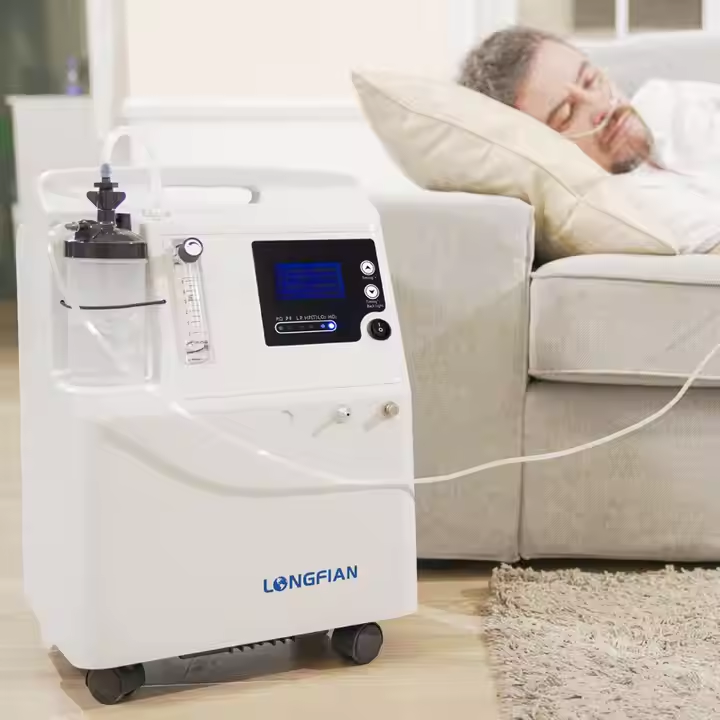
Oxygen concentrators are among the most widely used types of oxygen therapy equipment, particularly for home use. Unlike oxygen tanks, concentrators use electricity to draw in ambient air, remove nitrogen, and deliver purified oxygen.
- Home Oxygen Concentrators: Stationary devices that plug into an outlet and deliver continuous oxygen flow (up to 10 LPM). Ideal for nighttime or long-term use.
- Portable Oxygen Concentrators (POCs): Lightweight, battery-powered models designed for mobility. Many are FAA-approved for air travel (FAA Guidelines).
2. Oxygen Cylinders
Oxygen cylinders, or oxygen tanks, store compressed gas and are a traditional form of oxygen therapy equipment. Although reliable, they require refilling or replacement once empty. Flow rate is adjusted with a regulator to control oxygen output.
For safety information, see Private Health News for proper handling and refilling protocols.
3. Liquid Oxygen Systems
Liquid oxygen systems store oxygen in its liquid form in a specialized insulated container. These systems are ideal for patients who require high flow rates. A home unit stores the liquid oxygen, while smaller portable canisters can be refilled for outdoor use.
According to the American Thoracic Society, liquid oxygen systems allow for more concentrated oxygen in a smaller volume, making them suitable for advanced care needs.
Key Features to Consider When Choosing Oxygen Therapy Equipment
When selecting your device, evaluate these essential features:
- Flow Rate: Match your doctor’s prescribed flow rate (measured in LPM). Some units offer continuous flow, while others use pulse dose delivery.
- Portability: For active lifestyles, portable concentrators and smaller cylinders are best.
- Noise Level: Check decibel ratings—newer concentrators feature sound-dampening technology.
- Maintenance: Follow manufacturer cleaning and filter replacement schedules (NextGenU).
Oxygen Therapy at Home vs. Clinical Settings
In hospitals and clinics, oxygen systems are centralized and professionally managed. For home use, devices like concentrators and cylinders offer independence and flexibility.
Patients using home systems should consult licensed providers listed on Superpages for maintenance and support.
Latest Innovations in Oxygen Therapy Equipment for 2025
Advancements are making oxygen therapy equipment smarter, quieter, and more connected:
- Smart Oxygen Delivery Systems: Automatically adjust flow based on breathing rate.
- Improved Battery Life: POCs now last up to 12 hours on a single charge (Source: Sourcify China).
- Remote Telemonitoring: Devices now link with apps for real-time tracking via secure platforms like My Secure Scripts.
- Smart Home Integration: Some systems sync with smart hubs for easy monitoring.
Regulations and Safety Standards
Oxygen therapy equipment is strictly regulated to ensure safety:
- FDA Oversight: The U.S. FDA regulates oxygen concentrators and related devices.
- FAA Travel Rules: Always check FAA-approved devices before flying.
- Safety Tips: Keep oxygen away from heat and open flames (Kabir Cares).
- Prescription Required: A valid prescription is mandatory for oxygen therapy in all states (MO.gov).
Cost Analysis and Insurance Coverage
According to Yahoo Finance, the cost of oxygen therapy equipment depends on device type and insurance coverage. Medicare and most private insurers often cover rental or purchase if medically necessary. Always verify coverage terms with your provider.
Making an Informed Decision
Choosing the right oxygen therapy equipment can transform your daily life. Start with your healthcare provider’s recommendations and explore options from reputable suppliers.
For further learning, check educational resources on CCBC College or Maricopa College.
Stay informed about new respiratory care technologies by subscribing to trusted health news platforms. Our free guide on “Understanding Oxygen Therapy Options.” Sharing this article with family and friends can also help them stay informed. To keep up with the latest advancements in respiratory care, subscribe to our newsletter.
What is the difference between an oxygen concentrator and an oxygen tank?
An oxygen tank stores a finite supply of compressed or liquid oxygen that needs to be refilled. An oxygen concentrator is a machine that draws in air from the environment, filters it, and delivers a continuous supply of purified oxygen
Can I travel with my oxygen equipment?
Yes, many people travel with oxygen. Portable oxygen concentrators are often FAA-approved for air travel. Smaller oxygen tanks can also be used for car travel. Always check with your airline and healthcare provider before travelling.
How do I know what oxygen flow rate I need?
Your doctor will prescribe a specific oxygen flow rate, measured in litres per minute (LPM), based on your medical condition and oxygen saturation levels. You should not adjust your flow rate without consulting your provider.
Is it safe to use oxygen therapy at home?
Yes, home oxygen therapy is safe when used correctly. It’s vital to follow all safety guidelines provided by your equipment supplier and healthcare provider, especially regarding fire safety.