

The Complete Guide to CPAP Machines in 2025: Types, Costs, and Usage
The Complete Guide to CPAP Machines in 2025: Types, Costs, and Usage
This CPAP machines guide 2025
This CPAP machines guide 2025 explains everything you need to know about types, costs, and usage, helping sleep apnea patients choose the right machine for effective therapy. Sleep apnea affects millions of people worldwide, disrupting not only their rest but also their overall health and quality of life. If you’ve been diagnosed with obstructive sleep apnea (OSA), you’ve likely heard about CPAP therapy as the gold standard treatment. But with so many options available, choosing the right CPAP machine can feel overwhelming.
This comprehensive guide will walk you through everything you need to know about CPAP machines in 2025, from understanding the different types to navigating costs and mastering proper usage. Whether you’re a newly diagnosed patient or looking to upgrade your current equipment, this guide provides the insights you need to make informed decisions about your sleep health.
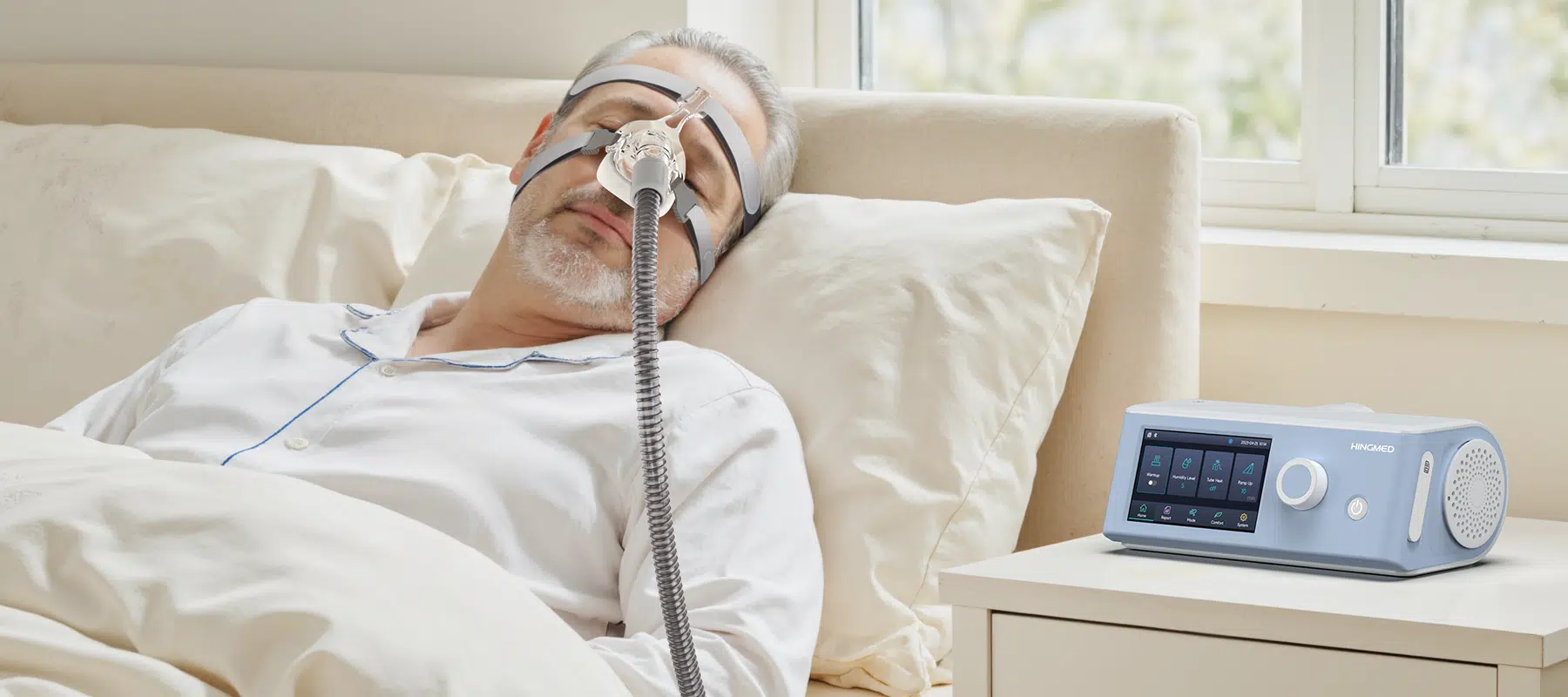
CPAP, or Continuous Positive Airway Pressure, delivers a steady stream of pressurized air through a mask to keep your airways open during sleep. This simple yet effective therapy has transformed countless lives, helping people with sleep apnea achieve restorative sleep and improved daily energy levels.
Understanding Different Types of CPAP Machines
Modern CPAP technology offers several variations, each designed to meet specific patient needs and comfort preferences. Understanding these differences is crucial for selecting the most effective treatment option.
Traditional CPAP Machines
Standard CPAP machines deliver a continuous, fixed pressure throughout the night. Once your sleep specialist determines your optimal pressure through a titration study, the machine maintains this consistent level. These devices are reliable, cost-effective, and work well for many CPAP users who have consistent pressure needs.
The AHI (Apnea-Hypopnea Index) measurement helps determine if a fixed pressure is appropriate for your condition. For patients with stable pressure requirements, traditional CPAP machines offer excellent therapy compliance rates.
APAP (Auto-Adjusting PAP) Machines
APAP machines automatically adjust air pressure throughout the night based on your breathing patterns. Using advanced algorithms, these devices detect changes in your airway resistance and increase or decrease pressure accordingly. This technology is particularly beneficial for patients whose pressure needs vary due to sleep position, sleep stage, or other factors.
The auto-adjusting feature makes APAP machines ideal for new users who are still determining their optimal pressure range. Dr. Emily Carter, Sleep Specialist, notes: “CPAP therapy remains the gold standard for treating sleep apnea, and choosing the right machine can dramatically improve quality of life.”
BiPAP (Bilevel PAP) Machines
BiPAP machines provide two different pressure levels: higher pressure during inhalation (IPAP) and lower pressure during exhalation (EPAP). This dual-pressure system makes breathing more natural and comfortable, especially for patients who struggle with exhaling against continuous pressure.
These machines are often prescribed for patients with central sleep apnea, complex sleep apnea, or those who cannot tolerate traditional CPAP therapy. BiPAP therapy is also beneficial for individuals with certain heart or lung conditions.
Key Factors to Consider When Choosing a CPAP Machine
Selecting the right CPAP machine involves evaluating multiple factors that impact both effectiveness and comfort. Your lifestyle, budget, and personal preferences all play important roles in this decision.
Lifestyle Considerations
Your daily routine and travel habits significantly influence which type of CPAP machine works best. For frequent travelers, a travel CPAP machine offers portability and convenience without sacrificing therapy effectiveness. These compact devices often include battery options and meet airline carry-on requirements.
Consider whether you need features like data tracking, smartphone connectivity, or wireless monitoring. Modern machines offer varying levels of technology integration, from basic pressure delivery to comprehensive sleep data analysis.
Comfort Features
Comfort directly impacts compliance – your ability to use the machine consistently as prescribed. Look for machines with a ramp feature, which gradually increases pressure when you first turn on the device, making it easier to fall asleep.
A heated humidifier can prevent dry mouth and nasal congestion, common side effects of CPAP therapy. Tom Williams, CPAP User, shares: “The heated humidifier has made all the difference in my CPAP experience – no more dry mouth!”
Mask Compatibility
Different machines work better with specific mask types. Nasal pillows work well with most CPAP machines and offer minimal facial contact, while full-face masks require adequate pressure delivery for proper seal maintenance. Consider your breathing patterns, facial structure, and comfort preferences when matching machines with masks.
Step-by-Step Guide to Using and Maintaining Your CPAP Machine
Proper use and maintenance ensure effective therapy and extend your equipment’s lifespan. Following these guidelines helps prevent complications and maintains optimal treatment results.
Initial Setup and Fitting
Before using your CPAP machine, ensure proper mask fitting. A well-fitted mask prevents air leaks while maintaining comfort throughout the night. Start with the ramp feature activated to gradually acclimate to the pressure sensation.
Position your machine on a stable surface at or below your bed level to prevent condensation in the tubing. Connect all components securely and test the system before bedtime.
Daily Usage Best Practices
Consistency is key to successful CPAP therapy. Aim to use your machine every time you sleep, including naps. Most insurance providers require at least 4 hours of nightly use for coverage continuation.
Begin with the ramp feature if pressure tolerance is challenging. This setting allows gradual pressure increase, making therapy initiation more comfortable. John Smith, CPAP User, explains: “Since starting CPAP therapy, I’ve noticed a significant improvement in my energy levels and overall health.”
Maintenance and Cleaning
Regular cleaning prevents bacterial growth and maintains equipment function. Sarah Johnson, Respiratory Therapist, emphasizes: “Proper CPAP machine maintenance is crucial for ensuring effective therapy and prolonging the device’s lifespan.”
Daily cleaning tasks:
- Rinse mask and tubing with warm, soapy water
- Allow components to air dry completely
- Empty and refill humidifier chamber with distilled water
Weekly maintenance:
- Deep clean all washable components
- Inspect for wear or damage
- Replace filters as needed
Monthly tasks:
- Replace disposable filters
- Check tubing for cracks or holes
- Monitor mask cushion condition
Understanding CPAP Machine Costs and Insurance Coverage
CPAP therapy represents a significant investment in your health, but understanding costs and coverage options helps make treatment more accessible.
Equipment Costs
CPAP machine prices vary significantly based on features and technology level. Basic machines typically cost between $400-$800, while advanced models with auto-adjusting features range from $800-$1,200. BiPAP machines generally cost more, often exceeding $1,500.
Additional costs include masks ($50-$200), replacement supplies (filters, tubing, mask cushions), and optional accessories like travel cases or battery packs.
Insurance Coverage
Most insurance plans cover CPAP equipment when medically necessary. Coverage typically requires:
- Sleep study documentation
- Physician prescription
- Compliance monitoring
- Regular follow-up appointments
Contact your insurance provider to understand specific coverage details, copayments, and replacement schedules for supplies.
Cost-Saving Strategies
Consider these approaches to reduce CPAP therapy costs:
- Compare prices from multiple suppliers
- Ask about payment plans or financing options
- Purchase supplies in bulk when possible
- Maintain equipment properly to extend lifespan
- Explore patient assistance programs from manufacturers
Troubleshooting Common CPAP Issues
Even with proper setup and maintenance, CPAP users occasionally encounter challenges. Understanding common problems and solutions helps maintain consistent therapy.
Mask Leaks and Fit Issues
Mask leak reduces therapy effectiveness and can cause dry eyes or noise disturbances. Common causes include incorrect sizing, worn mask cushions, or facial hair interference. Try different mask styles or sizes, ensure clean mask surfaces, and consider mask liners for better seal.
Pressure Intolerance
Some users find CPAP pressure uncomfortable initially. Utilize the ramp feature to ease pressure adjustment. If problems persist, consult your sleep specialist about pressure modifications or alternative therapies.
Dry Mouth and Nasal Congestion
These common side effects often improve with heated humidification. Adjust humidity levels gradually and ensure proper mask fit to prevent mouth breathing. Consider nasal sprays or treatments for persistent congestion.
Equipment Noise
Modern CPAP machines operate quietly, but older units or maintenance issues can create noise problems. Check for loose connections, replace worn components, and ensure proper machine placement away from walls or enclosed spaces.
Future Trends in CPAP Technology
The landscape of sleep apnea treatment continues evolving, with exciting innovations expected to enhance patient experience and treatment outcomes by 2025.
AI and Machine Learning Integration
Future CPAP devices will incorporate artificial intelligence to provide even more personalized pressure settings. These smart machines will learn individual breathing patterns and automatically optimize therapy parameters for maximum comfort and effectiveness.
Dr. Michael Lee, Sleep Technology Researcher, predicts: “The future of CPAP technology will focus on personalized therapy and enhanced user comfort.”
Enhanced Portability
Development continues on smaller, more portable CPAP devices for frequent travelers. New battery technologies and miniaturized components will make travel therapy more convenient without compromising treatment quality.
Improved Mask Design
Advanced materials and design techniques will create masks with better seals, reduced pressure points, and improved comfort. Smart masks may include sensors to automatically adjust fit and detect positioning changes during sleep.
Remote Monitoring and Telemedicine
Enhanced connectivity will enable better remote patient monitoring and telemedicine support. Healthcare providers will access real-time therapy data, allowing for more responsive treatment adjustments and patient support.
Noise Reduction Technologies
Continued advancement in noise reduction will make CPAP machines even quieter, benefiting both users and their sleeping partners. New motor designs and sound dampening materials will further minimize operational noise.
Take Control of Your Sleep Health Today
CPAP therapy offers a proven path to better sleep and improved health for those with sleep apnea. While the initial adjustment period requires patience, the long-term benefits – increased energy, better mood, and reduced health risks – make the effort worthwhile.
Remember that successful CPAP therapy involves more than just purchasing equipment. It requires ongoing commitment, proper maintenance, and regular communication with your healthcare team. Don’t hesitate to reach out to your sleep specialist if you experience challenges or need adjustments to your treatment plan.
Ready to start or optimize your CPAP therapy? Schedule a consultation with a sleep specialist to discuss your options and find the perfect CPAP solution for your needs. Browse our selection of CPAP machines and accessories to explore the latest technology and features. Download our free guide to optimizing CPAP therapy for better sleep, and share this comprehensive resource with anyone who might benefit from understanding CPAP treatment options.
Stay informed about the latest sleep technology and health insights by subscribing to our newsletter for regular updates and expert advice on achieving your best sleep yet.
Legal Disclaimer: This guide is intended for informational purposes only and does not constitute medical advice. Always consult with a qualified healthcare professional for diagnosis and treatment of sleep apnea. The brands and products mentioned in this guide are for illustrative purposes only and do not constitute an endorsement or recommendation. We are not responsible for any adverse effects resulting from the use of CPAP machines or related products.